Products Description of Dextran CAS# 9004-54-0
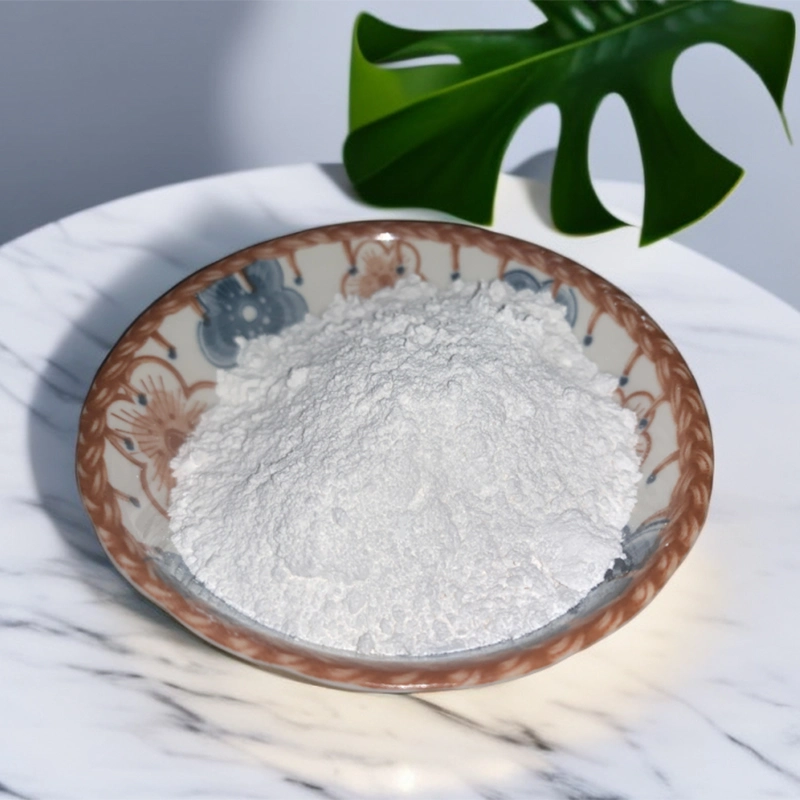
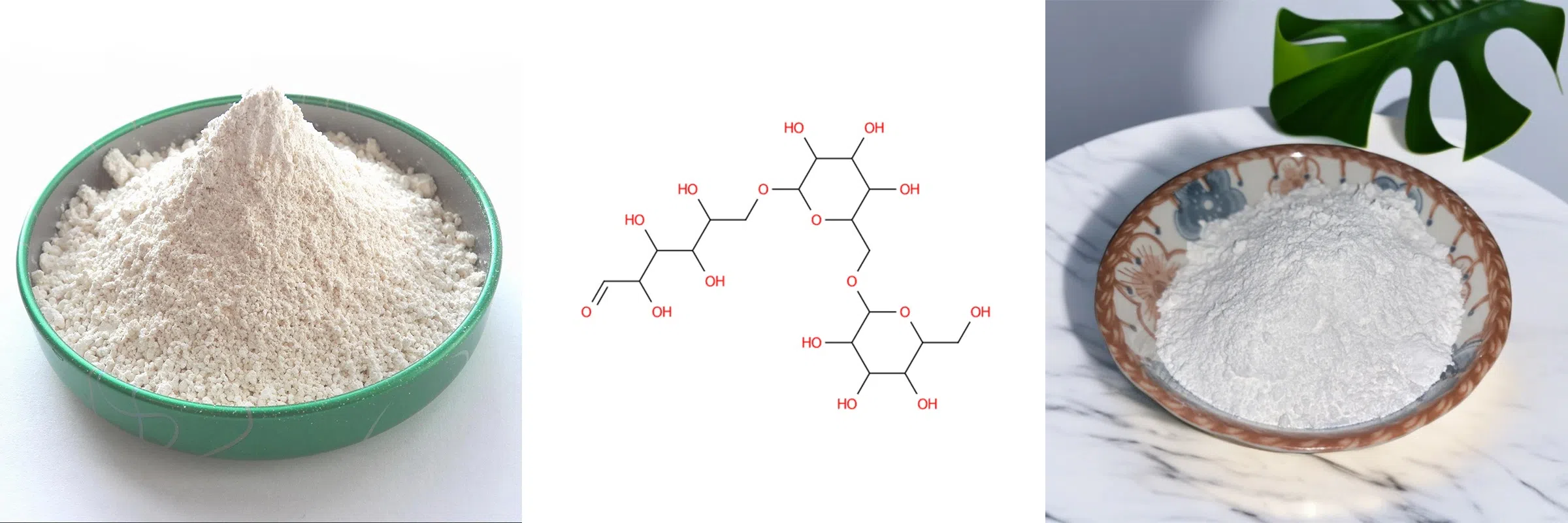
Dextran is a glucose-based polysaccharide composed primarily of α-1,6-linked glucopyranose units. It can be produced from sucrose through fermentation by Leuconostoc mesenteroides and related microorganisms, while certain bacterial species are also capable of producing dextran-type polymers from suitable carbohydrate substrates.
Dextran and dextran-based materials are widely used in biotechnology and biochemical research. Typical applications include chromatography matrices, bioreactor-related systems, and studies involving osmotic effects on biological molecules. Dextran can also be used as a protective coating for certain metal nanoparticles, helping improve their stability and reduce oxidation.
Dextrans are available in a broad range of molecular weights, allowing different grades to be selected for specific applications. Dextran 70, with an average relative molecular mass of approximately 70,000, has been used in specialized medical formulations because it can remain within the intravascular compartment and contribute to plasma colloid osmotic pressure. At higher doses, dextran may also influence platelet aggregation and fibrinolytic activity.
Dextran Chemical Properties
Product Name | Dextran |
Synonyms: | Dextran 75,000 Mw, Pryogen Free;Dextrane2000;Dextran, high fraction, for biochemistry;MUCROSE;NATIVE DEXTRAN;POLY[(1,6)-ALPHA-D-GLUCOSE];DEXTRAN,150,000,POWDER;DEXTRAN,250,000,POWDER |
CAS: | 9004-54-0 |
MF: | C17H32O10 |
MW: | 396.42998 |
EINECS: | 232-677-5 |
Product Categories: | Other APIs;Carbohydrates & Derivatives;Inhibitors;Intermediates & Fine Chemicals;Pharmaceuticals;Dextrins、Sugar & Carbohydrates;Carbohydrates D-FAlphabetic;DA - DHBiochemicals and Reagents;Biostabilization AgentsCarbohydrates;Biostabilization AgentsBiochemicals and Reagents;Carbohydrates A to;Carbohydrates D-FBiochemicals and Reagents;Biochemicals and Reagents;Carbohydrates;Polysaccharide;DA - DHPolymer Standards;Alphabetic;D;Dextran;Water Soluble Polymers;DextranChromatography;DIN StandardsCertified Reference Materials (CRMs);Application CRMs;Polymer Standards;Biostabilization AgentsResearch Essentials;CarbohydratesBiochemicals and Reagents;Stabilization of Biomolecules;Core Bioreagents;Organic SolublePolymer Standards;Polymer Standards Kits;Water Soluble;Cell Separation (Centrifugation) MediaResearch Essentials;Centrifugation Media;Hematology and Histology |
Mol File: | 9004-54-0.mol |
Melting point | 483 °C (decomp) |
Alpha | 198 º |
Density | 1.00-1.20g/mL |
Refractive index | 185 ° (C=6, H2O) |
Storage temp | 2-8°C |
Solubility | H2O: soluble50mg/mL, clear to very slightly hazy, colorless to faintly yellow |
Form | Solid |
Color | White to slightly off-white |
PH | 46063 |
Biological source | bacterial (Leuconostoc mesenteroides) |
Optical activity | +208 to +233 (formaldehyde) |
Water Solubility | Soluble in water, dimethyl sulfoxide, ethylene glycol and glycerol. |
Merck | 142948 |
Stability | Stable. Keep dry. Incompatible with strong oxidizing agents. |
LogP | -4.259 (est) |
EPA Substance Registry System | Dextran (9004-54-0) |
Absorption | ≤0.05 at 375nm in H2O at 10% |

Product Usage of Dextran CAS# 9004-54-0
Kojic acid (CAS# 501-30-4) is used across cosmetic, food, pharmaceutical, agricultural, and industrial applications. In cosmetic and skincare formulations, it is valued for its ability to inhibit tyrosinase activity and help reduce the appearance of hyperpigmentation and freckles. Its antioxidant properties also make it useful in various skincare formulations, including certain sun-care products.
In the food industry, kojic acid can be used for its antimicrobial and antioxidant properties. It may help maintain the freshness and quality of fruits, vegetables, and meat products, while also assisting with color preservation in certain processed foods and beverages, such as fruit juices.
In pharmaceutical and topical formulations, kojic acid is used in products intended to manage pigmentation-related skin concerns, including melasma. Its antimicrobial and anti-inflammatory properties also support its use in certain topical preparations.
Beyond these applications, kojic acid has been studied and used in agriculture-related formulations, including applications associated with plant growth regulation. In industrial processes, it can also function as an antioxidant and metal-ion chelating agent.