
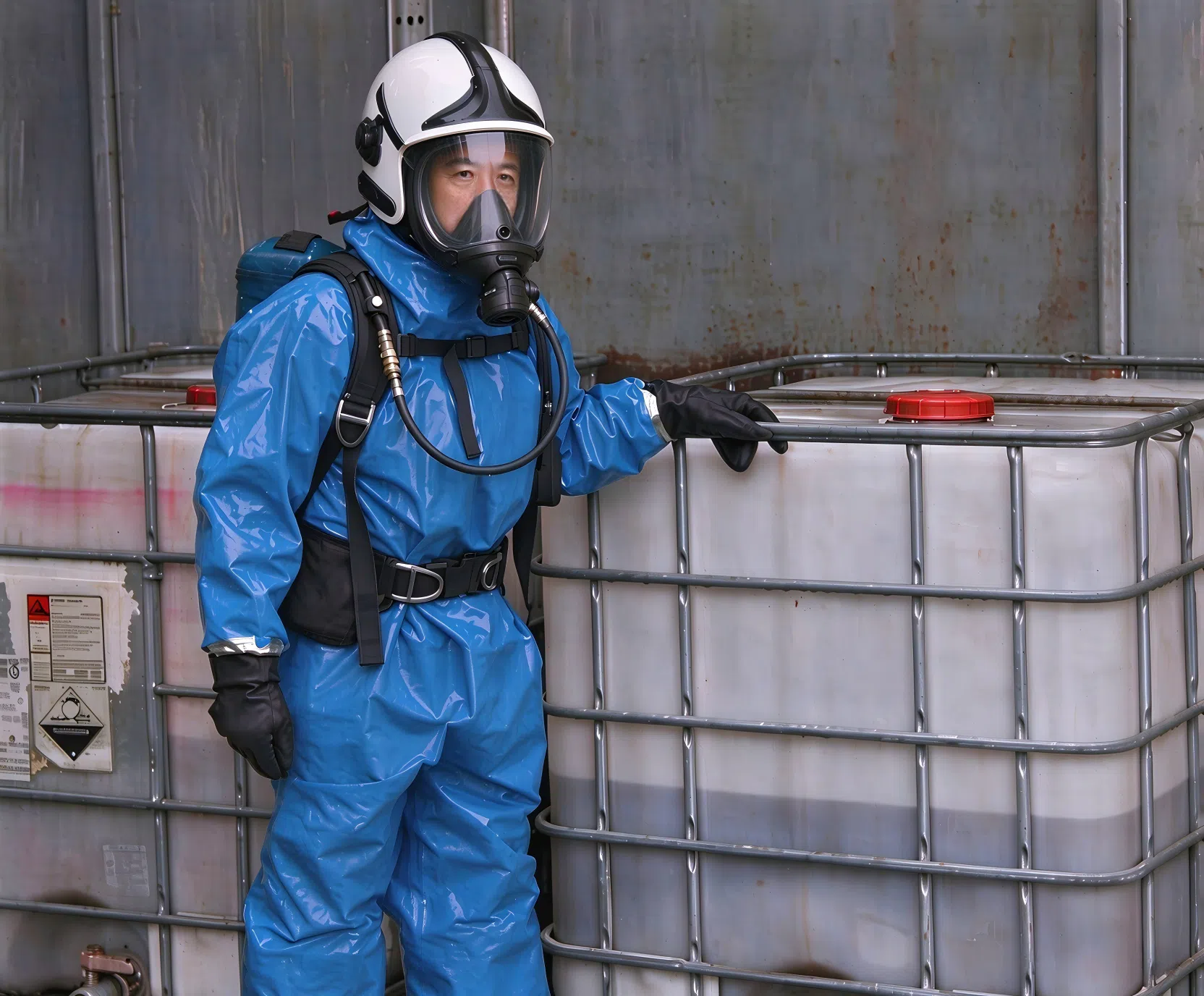
A metal-surface-treatment enterprise in Russia is a long-term cooperation client of Luxi Chemical (Shandong) Co., Ltd. The client purchases bulk 85%-grade industrial phosphoric acid, which is mainly applied in the phosphating pre-treatment process for steel structural workpieces. Its plant is located in northern Russia, where the temperature in workshop warehouses drops sharply in winter. Stable formulation of phosphating solution is essential for production. As a core acid-adjusting raw material, any abnormality of phosphoric acid will directly compromise the quality of phosphating films on workpieces and endanger the normal operation of the entire pre-treatment production line. After winter delivery under low-temperature conditions, the client reported massive white crystals formed inside IBC tote tanks of industrial phosphoric acid, resulting in poor fluidity and discharging difficulties. On-site operators initially suspected product quality defects and worried about excessive impurities. Failure to feed materials normally would force the pre-treatment production line to shut down and delay order delivery. Consequently, the client submitted a quality-objection feedback to the After-sales Technical Department of Luxi Chemical.
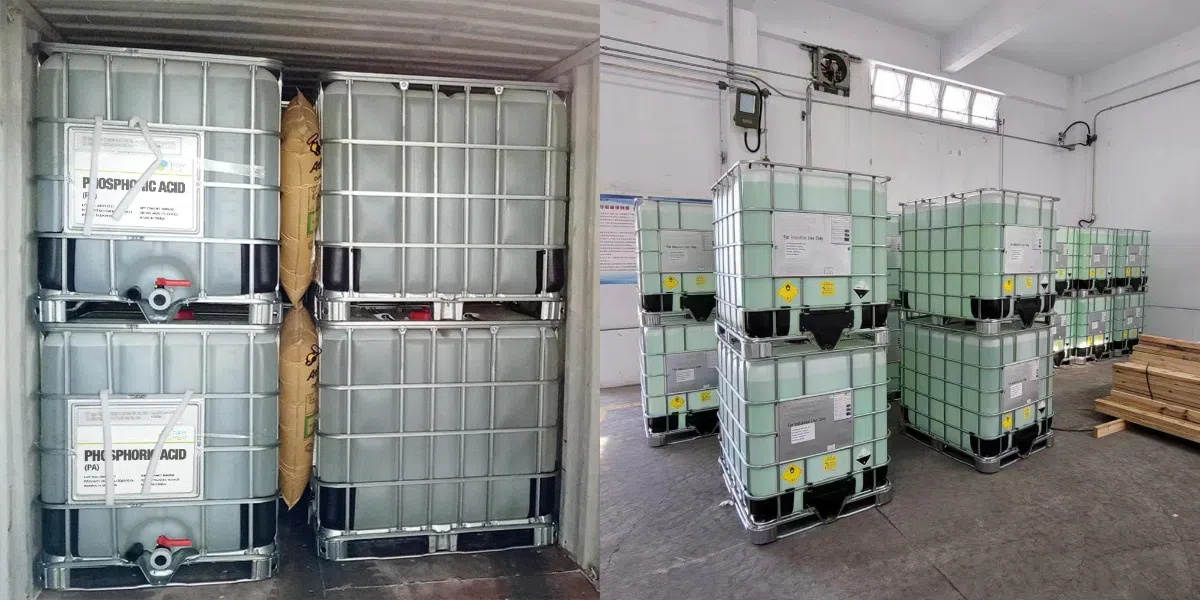
Upon receiving the feedback, Luxi’s after-sales technical team gave an online response within 2 hours. It promptly collected on-site photos and videos, and retrieved retained samples from the corresponding production batch. Retesting of the retained samples was completed in the laboratory. All test indicators including phosphoric acid content, heavy metals and impurities were consistent with the factory test report, which ruled out inherent quality problems of the product. Technical engineers provided preliminary remote professional explanation: 85% industrial phosphoric acid has a crystallization point of around 21 °C. Crystallization will occur when the ambient temperature remains below this value. It is a reversible physical phenomenon instead of product deterioration, with no change in chemical composition. To eliminate the client’s concerns, Luxi dispatched application engineers to the client’s plant for on-site investigation. The engineers inspected the storage conditions of the tote tanks and found that the raw-material warehouse had no thermal insulation or heating facilities. Night-time warehouse temperature remained steadily within 10-15 °C, satisfying the crystallization conditions for phosphoric acid. Further inspection confirmed that the tote tanks were intact and well-sealed without ingress of foreign impurities. Discussions with on-site operators verified that the client was unaware of the low-temperature crystallization property of phosphoric acid and had not formulated any raw-material storage contingency plan for cold seasons.
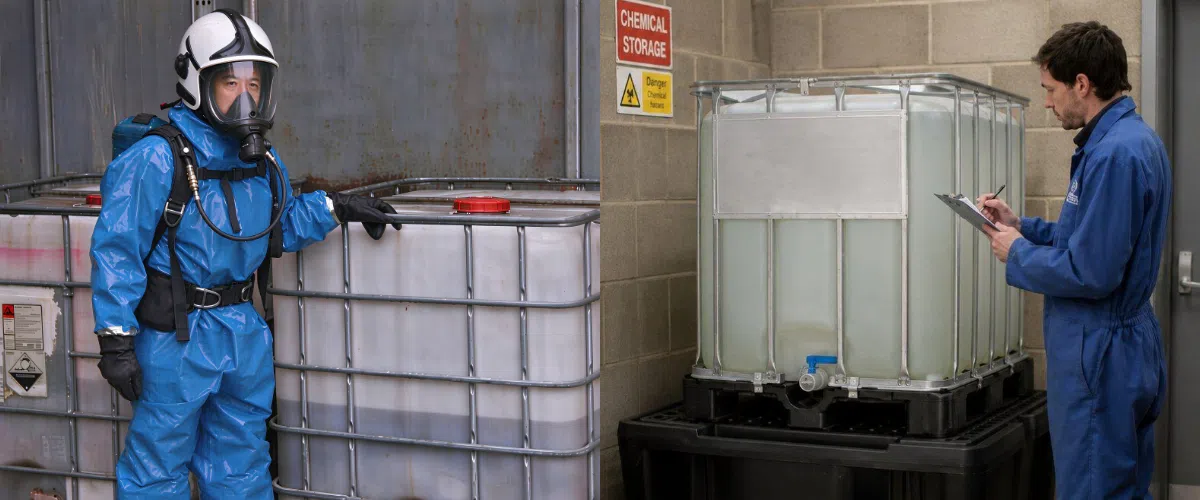
Following the on-site investigation, the team identified the root cause: the excessively low storage temperature in northern Russia during winter triggered physical crystallization of 85% phosphoric acid, which was not a product quality defect. Nevertheless, crystallization reduced material fluidity, obstructed feeding and discharging operations and disrupted production. Taking the client’s on-site hardware conditions into account, Luxi technical engineers put forward a complete, phased and actionable solution: First, transfer the crystallized tote tanks to indoor areas with temperature ≥25 °C for static warming. External warm-water bath heating is also acceptable (water temperature shall be controlled at 50-60 °C; direct open-flame heating is strictly prohibited), accompanied by intermittent circulating stirring. Once the crystals are fully melted into a homogeneous transparent liquid, the material can be used for normal feeding, and product performance will not be impaired after melting. Safety operation specifications were emphasized throughout the melting process. Anti-corrosive personal protective equipment must be worn to prevent acid-burn hazards. Second, newly-arrived raw materials in winter shall be preferentially stored in thermally-insulated warehouses. If such warehouses are unavailable, wrap the tote tanks with thermal-insulation cotton to mitigate the impact of low temperatures. Based on the client’s working conditions, product-selection suggestions were offered: switching to 75%-concentration phosphoric acid during cold winter periods. This grade has a lower crystallization point and better anti-crystallization performance, suitable for low-temperature storage in northern regions. Third, deliver the Technical Guideline for Storage and Winter-time Application of Industrial Phosphoric Acid to the client. Provide professional training for on-site staff engaged in warehouse management and material feeding, and incorporate crystallization phenomena as well as emergency disposal procedures into the client’s post operating instructions.
In the end, all crystals were completely dissolved. All performance indicators of phosphoric acid met requirements. The phosphating pre-treatment production line resumed continuous operation, and all indicators of workpiece phosphating films reached standards. Potential order losses caused by production-line shutdown were avoided. The client spoke highly of Luxi’s rapid response and professional technical services. After-sales services for chemical raw materials are more than merely handling quality complaints. Many on-site issues originate from physical properties of materials, storage environments and insufficient operational awareness. Supported by technical services, Luxi Chemical not only addresses immediate production obstacles, but also delivers preventive solutions to help clients avert similar risks and consolidate long-term cooperative partnerships.


