Products Description of Sodium Carboxymethyl Cellulose (CMC) CAS#9004-32-4
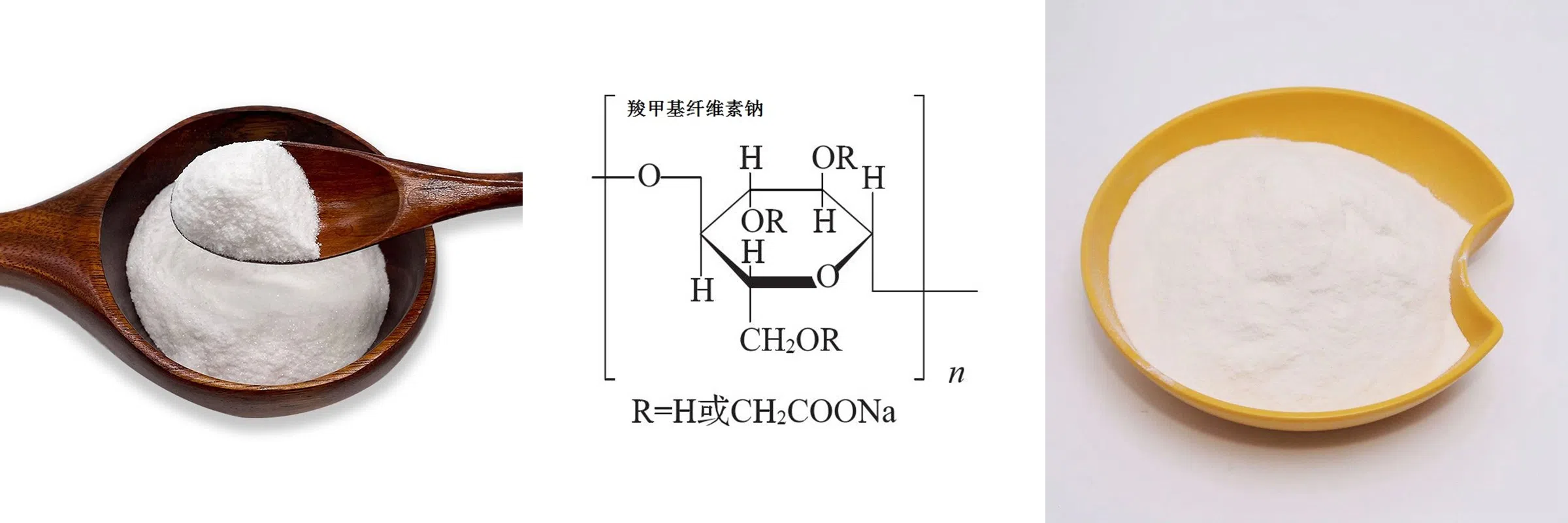
Sodium carboxymethyl cellulose (CMC), also called cellulose gum, is a carboxymethylated derivative of natural cellulose and the primary anionic cellulose ether. It is typically produced by reacting cellulose with caustic soda and monochloroacetic acid, forming an anionic polymer with a molecular weight ranging from several thousand to millions.
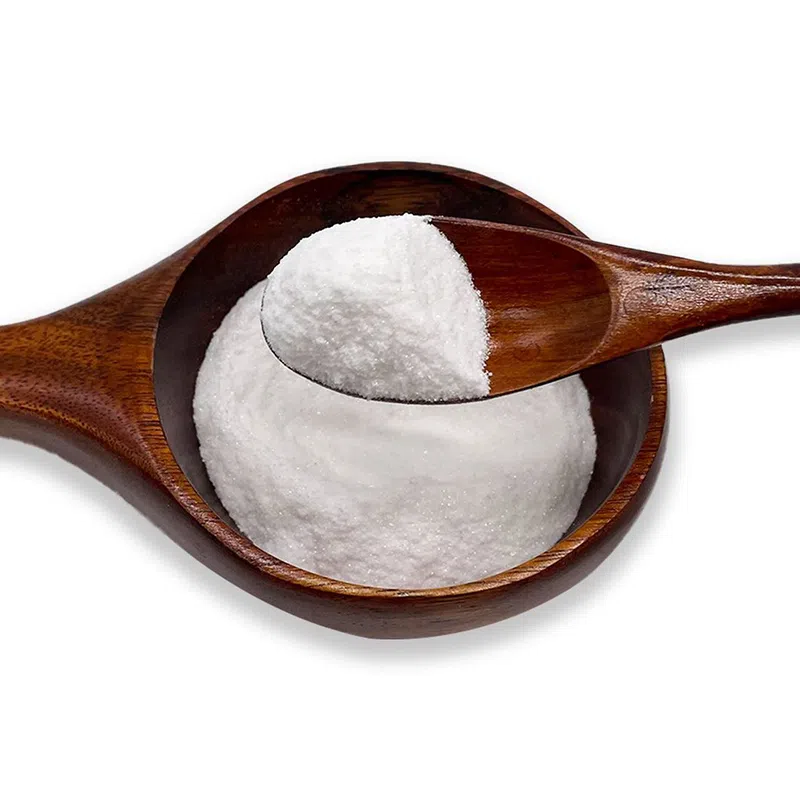
CMC appears as a white or milky-white fibrous powder or granule with a density of 0.5–0.7 g/cm³. It is nearly odorless, tasteless, and hygroscopic. The powder disperses easily in water to form a transparent colloidal solution, while remaining insoluble in organic solvents such as ethanol. A 1% aqueous solution has a pH of 6.5–8.5, and its performance is optimal at neutral pH. Viscosity decreases significantly at pH values below 5 or above 10.
CMC exhibits good thermal stability: viscosity increases rapidly below 20°C, changes slowly around 45°C, but prolonged heating above 80°C can denature the colloid and reduce performance. It is highly stable in alkaline solutions but hydrolyzes easily in acidic conditions, with precipitation occurring at pH 2–3 or in the presence of multivalent metal salts. Solid CMC is stable under light and room temperature and can be stored long-term in a dry environment.
Sodium Carboxymethyl Cellulose Chemical Properties
| Melting point | 274 °C (dec.) |
| Density | 1,6 g/cm3 |
| FEMA | 2239 | CARBOXYMETHYLCELLULOSE |
| Storage temp | room temp |
| Solubility | H2O: 20 mg/mL, soluble |
| Form | low viscosity |
| Pka | 4.30(at 25℃) |
| Color | White to light yellow |
| PH | pH (10g/l, 25℃) 6.0~8.0 |
| Odor | Odorless |
| PH Range | 6.5 - 8.5 |
| Water Solubility | soluble |
| Merck | 141829 |
| Stability | Stable. Incompatible with strong oxidizing agents. |
| EPA Substance Registry System | Sodium carboxymethyl cellulose (9004-32-4) |
| Risk Statements | 40 |
| Safety Statements | 24/25 |
| WGK Germany | 1 |
| RTECS | FJ5950000 |
| F | 3 |
| Autoignition Temperature | 698 °F |
| TSCA | Yes |
| HS Code | 39123100 |
| Toxicity | LD50 oral in rabbit: > 27gm/kg |

Product Application of Sodium Carboxymethyl Cellulose (CMC) CAS#9004-32-4
Sodium Carboxymethyl Cellulose (CMC) acts as an effective thickening agent, stabilizer, and emulsifier, offering broad application possibilities across different industries.
Food-grade CMC provides excellent functional properties, including viscosity enhancement, emulsification, shape retention, moisture preservation, and product stabilization. When added to food formulations, CMC can help reduce manufacturing costs, improve product texture and flavor, and extend shelf life. It is widely used in various food categories, such as solid and liquid beverages, canned products, confectionery, bakery items, meat products, biscuits, instant noodles, quick-cooking and frozen foods, as well as soy milk, yogurt, peanut beverages, fruit tea, fruit juice, and other related products. The recommended dosage and application method of CMC may vary according to different food processing requirements.