Products Description of Titanium Tetrachloride CAS#7550-45-0
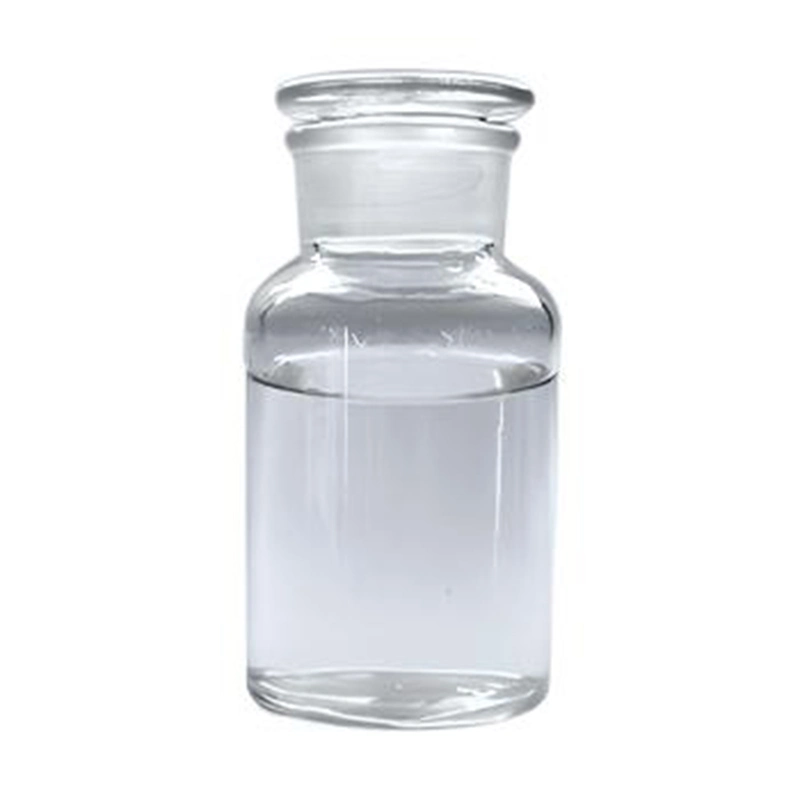
Titanium tetrachloride (TiCl₄) is one of the most important titanium halides and a key intermediate in the production of titanium sponge and titanium dioxide via the chloride process. In its pure form, it is a colorless, transparent, high-density liquid with a relative density of approximately 1.726. It has a melting point of around −25°C and a boiling point of approximately 136.4°C.
Titanium tetrachloride has a strong, pungent odor and is highly sensitive to moisture. Upon exposure to humid air, it readily hydrolyzes and generates dense white fumes. It reacts vigorously with water and undergoes decomposition, while showing good solubility in alcohol and concentrated hydrochloric acid. It is also miscible with solvents such as chloroform and carbon tetrachloride.
In industrial production, titanium tetrachloride can be obtained by combining titanium dioxide with carbonaceous materials to form a compact feed mixture, followed by coking and chlorination. The chlorination process is typically carried out at temperatures above 600°C using chlorine gas, with suitable chlorinating agents also applicable depending on the production route.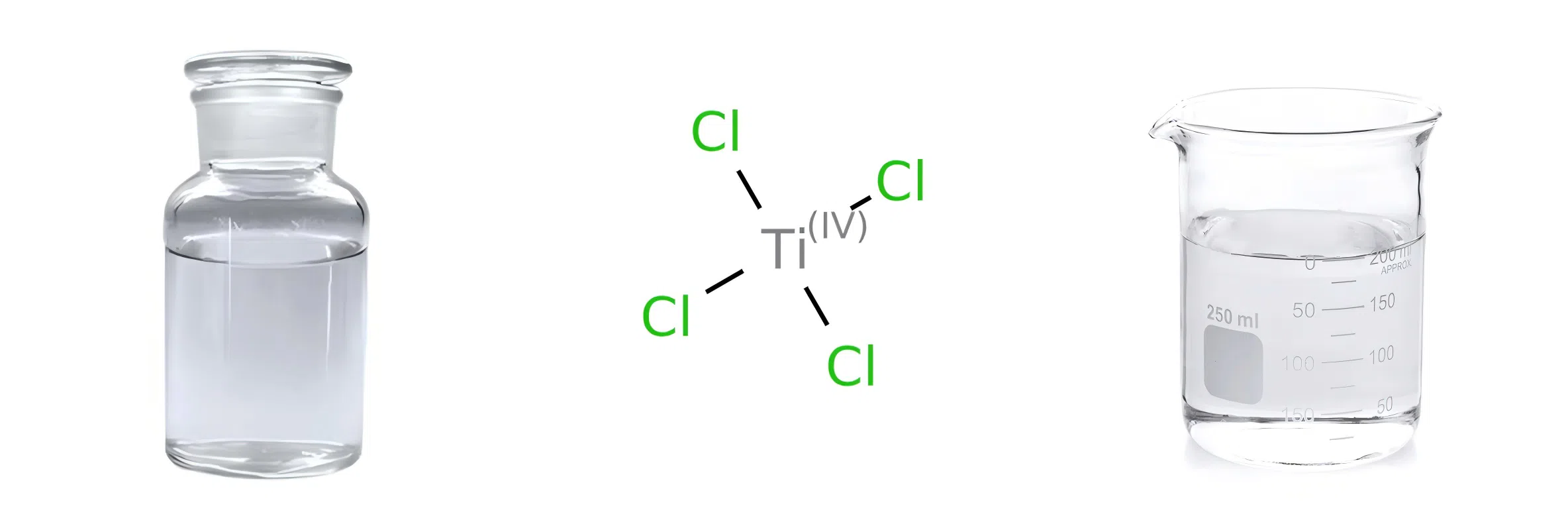
Titanium tetrachloride Chemical Properties
| Melting point | −25 °C(lit.) |
| Boiling point | 135-136 °C(lit.) |
| density | 1.73 g/mL at 20 °C(lit.) |
| vapor pressure | 50 mm Hg ( 55 °C) |
| refractive index | 1.61 |
| Fp | 46 °F |
| storage temp. | Flammables area |
| solubility | H2O: soluble |
| form | Solution |
| Specific Gravity | 1.726 |
| color | Light yellow to dark brown |
| Water Solubility | reacts |
| Sensitive | Moisture Sensitive |
| Hydrolytic Sensitivity | 8: reacts rapidly with moisture, water, protic solvents |
| Merck | 149478 |
| Exposure limits | ACGIH: TWA 50 ppm |
| OSHA: TWA 25 ppm; STEL 125 ppm | |
| NIOSH: IDLH 2300 ppm | |
| Dielectric constant | 2.8 |
| Dielectric constant | 40.0(Ambient) |
| Stability: | Stable. Reacts with water. Incompatible with moisture, ammonia, amines, alcohols, potassium and other chemically active metals. |
| CAS DataBase Reference | 7550-45-0(CAS DataBase Reference) |
| NIST Chemistry Reference | Titanium tetrachloride(7550-45-0) |
| EPA Substance Registry System | Titanium tetrachloride (7550-45-0) |
| Hazard Codes | C,F,Xi,T |
| Risk Statements | 36/37/38-67-65-63-48/20-34-14-11-23-40-37-48/23-39/23-20/21/22-36/38 |
| Safety Statements | 26-7/8-62-46-45-36/37/39-24/25-23-16-60 |
| RIDADR | UN 3289 6.1/PG 2 |
| WGK Germany | 2 |
| RTECS | XR1925000 |
| F | 21 |
| TSCA | Yes |
| HazardClass | 8 |
| PackingGroup | II |
| HS Code | 28273990 |
| Hazardous Substances Data | 7550-45-0(Hazardous Substances Data) |
Product Application of Titanium Tetrachloride CAS#7550-45-0
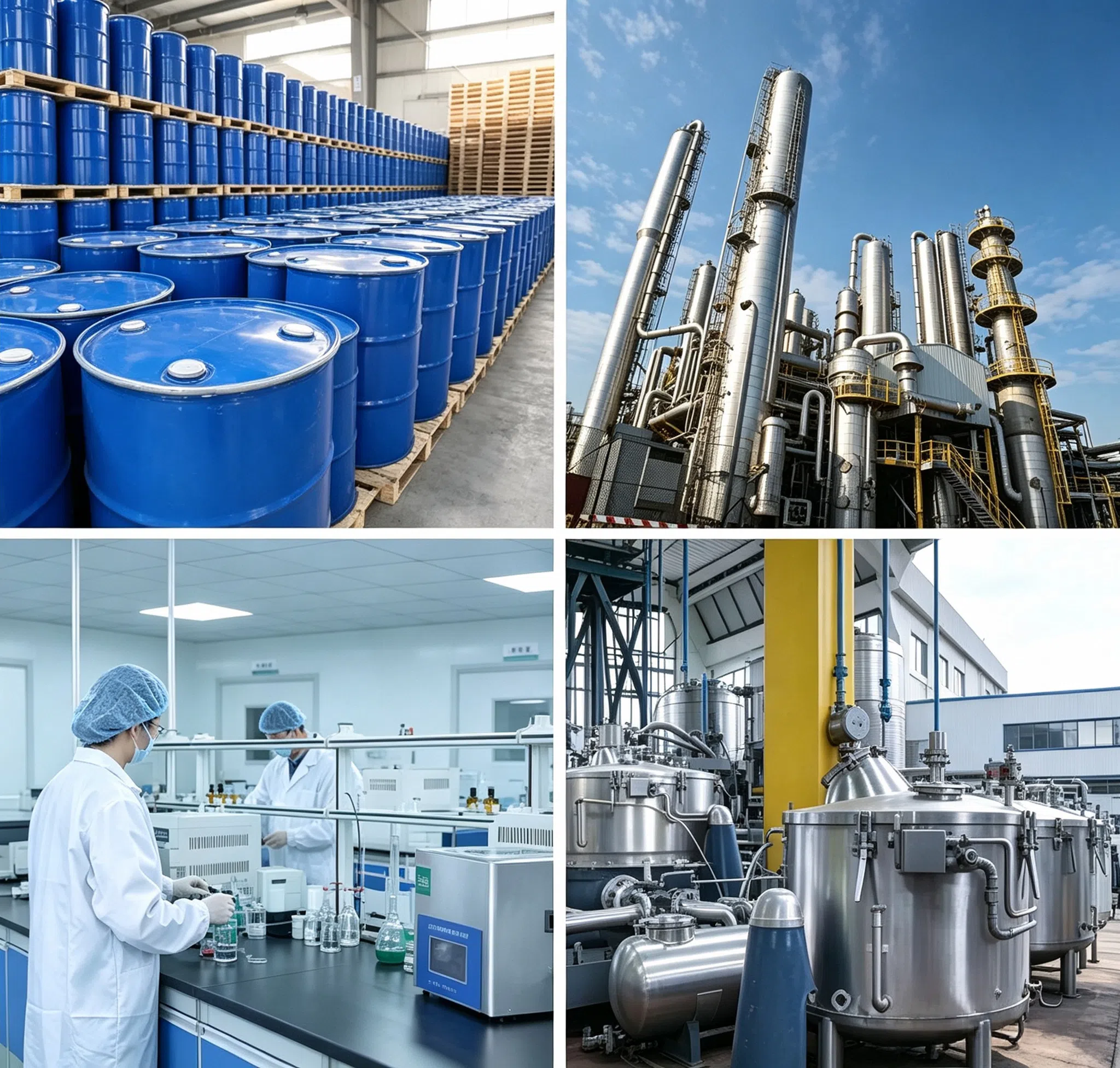
Titanium tetrachloride (TiCl₄) is a key industrial intermediate and the principal feedstock for manufacturing titanium sponge and titanium dioxide through the chloride process. It is also widely utilized as an essential component in catalyst systems for ethylene polymerization.
Beyond titanium production, titanium tetrachloride is employed in the preparation of pigments, organotitanium compounds, and smoke-generating materials for specialized applications. Owing to its strong solvating properties, it can also be used as a solvent or processing medium for various organic materials, including synthetic resins, rubber, plastics, and related polymeric substances.