Products Description of 4-Chromanone CAS#491-37-2
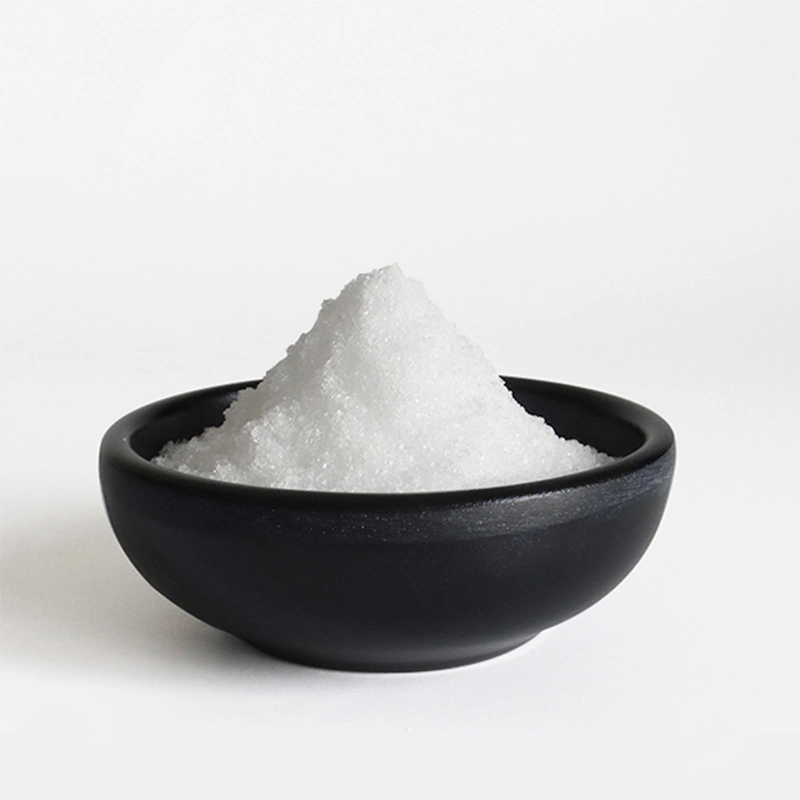
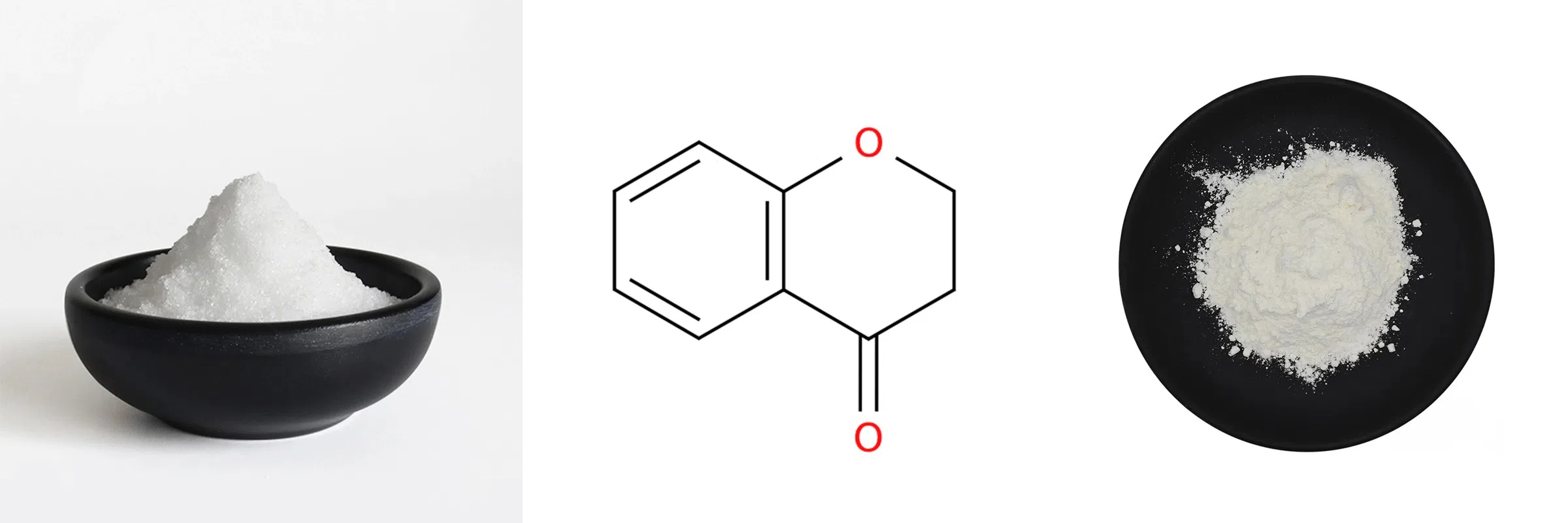
4-Chromanone (CAS#491-37-2) is an organic compound with the molecular formula C₉H₈O₂ and a molecular weight of approximately 148.16. It generally appears as a yellow to brown solid or crystalline material and has a melting point of approximately 35–38°C.
Featuring a bicyclic molecular structure with a reactive ketone functional group, 4-Chromanone serves as a versatile building block for organic synthesis. Its solubility in various organic solvents and useful chemical reactivity make it suitable for laboratory and industrial synthesis, particularly as an intermediate in pharmaceutical, fine chemical, and specialty chemical production.
4-Chromanone Chemical Properties
| Melting point | 35-38 °C(lit.) |
| Boiling point | 127-128 °C13 mm Hg(lit.) |
| density | 1.1291 |
| refractive index | n20/D 1.575(lit.) |
| Fp | >230 °F |
| storage temp. | Keep in dark place,Sealed in dry,Room Temperature |
| form | Crystalline Powder, Crystals or Low Melting Mass |
| color | White to yellow |
| Water Solubility | Slightly soluble in water. |
| BRN | 124652 |
| InChIKey | MSTDXOZUKAQDRL-UHFFFAOYSA-N |
| LogP | 1.990 (est) |
| CAS DataBase Reference | 491-37-2(CAS DataBase Reference) |
| NIST Chemistry Reference | 4H-1-Benzopyran-4-one, 2,3-dihydro-(491-37-2) |
| EPA Substance Registry System | 4H-1-Benzopyran-4-one, 2,3-dihydro- (491-37-2) |
| Hazard Codes | Xi |
| Risk Statements | 33-36/37/38 |
| Safety Statements | 24/25-36-26 |
| WGK Germany | 2 |
| RTECS | DJ2981225 |
| TSCA | Yes |
| HazardClass | IRRITANT |
| HS Code | 29329990 |
Product Application of 4-Chromanone CAS#491-37-2
4-Chromanone is a versatile intermediate widely used in organic and pharmaceutical synthesis. Its reactive ketone group and bicyclic structure make it a useful starting material for preparing more complex molecules, including compounds investigated for potential antioxidant and anti-inflammatory properties.
In addition to its role as a synthetic intermediate, 4-Chromanone is also used in biochemical and laboratory research, including studies related to enzyme activity and catalytic mechanisms. These characteristics support its application in pharmaceutical research, fine chemical synthesis, and other specialized research fields.