
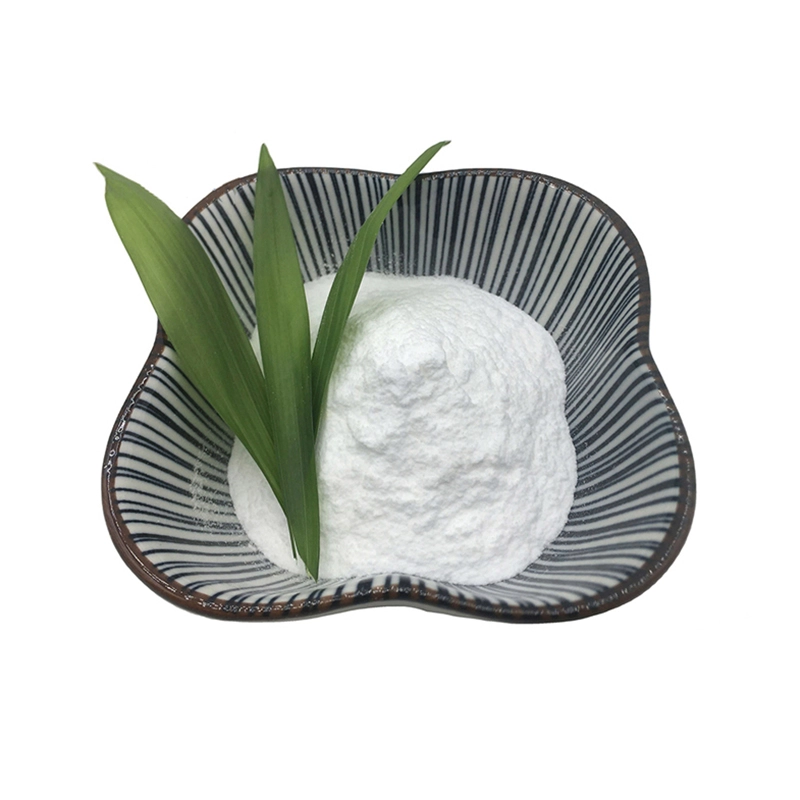
Calcium Propionate CAS#4075-81-4
Calcium Propionate, also known as calcium propanoate, is typically supplied as a white crystalline powder with little to no odor or a mild propionic acid-like odor. It is stable under normal ambient conditions and readily absorbs moisture from the air. The compound has a melting point of approximately 300°C and generally forms an alkaline aqueous solution with a pH of about 7–9. It is highly soluble in water, slightly soluble in methanol and ethanol, and practically insoluble in benzene and acetone.
Calcium Propionate is widely recognized as an effective food preservative and antifungal agent. Under acidic conditions, it can release propionic acid, which helps suppress the growth of molds such as Aspergillus niger and certain bacteria. Its good stability and water solubility make it particularly suitable for bakery and food-preservation applications, where it helps inhibit microbial growth and extend product shelf life.
In animal nutrition, Calcium Propionate is commonly used as a mold inhibitor and preservative in feed formulations. As a calcium salt of propionic acid and a compound associated with normal animal metabolism, it is widely incorporated into feed products to help maintain feed quality and reduce spoilage during storage. When properly formulated with other feed ingredients, it may also contribute to improved feed utilization and animal performance.
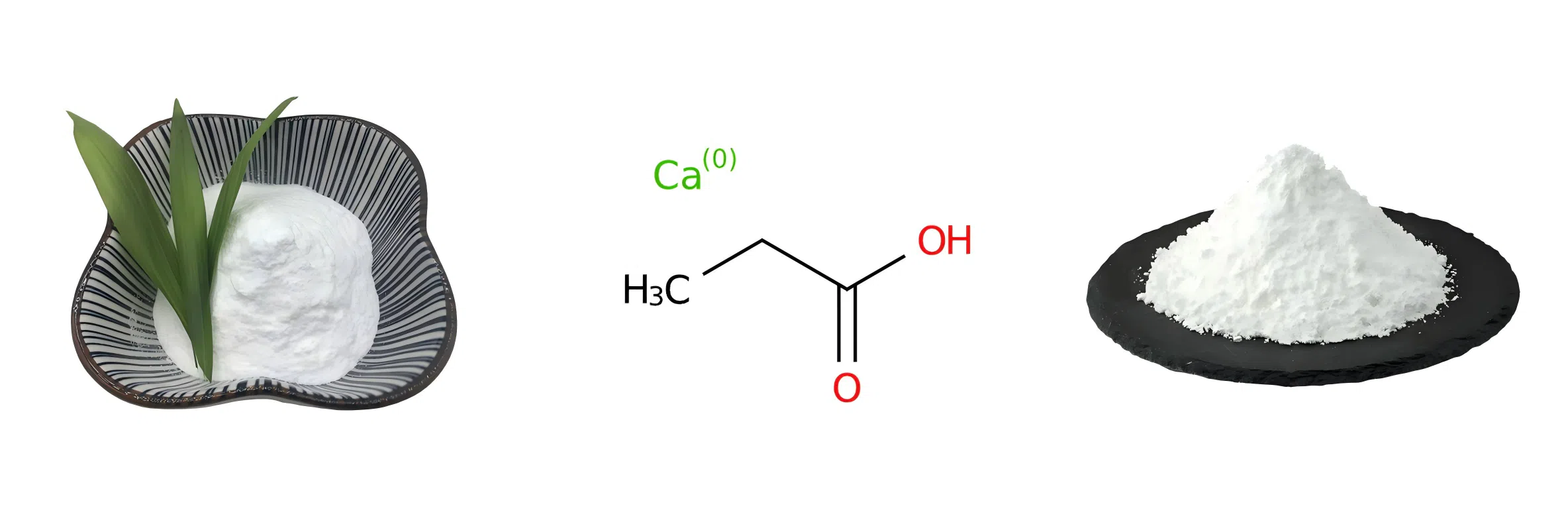
Calcium Propionate Chemical Properties
| Melting point | 300 °C |
| density | 1.41[at 20℃] |
| vapor pressure | 0-399Pa at 20-23℃ |
| storage temp. | Store below +30°C. |
| solubility | water: soluble1g/10 mL, clear, colorless |
| form | Crystals or Crystalline Powder |
| color | White |
| PH | 9.2 (200g/l, H2O, 20℃)(IUCLID) |
| Odor | at 100.00%. bland mild propionic acid |
| Water Solubility | 1 g/10 mL |
| Merck | 141698 |
| BRN | 3698682 |
| Stability: | Stable. Hygroscopic. Incompatible with strong oxidizing agents. |
| Cosmetics Ingredients Functions | PRESERVATIVE |
| InChI | 1S/2C3H6O2.Ca/c2*1-2-3(4)5;/h2*2H2,1H3,(H,4,5);/q;;+2/p-2 |
| InChIKey | BCZXFFBUYPCTSJ-UHFFFAOYSA-L |
| SMILES | CCC(=O)O[Ca]OC(=O)CC |
| LogP | 0.33 at 25℃ |
| CAS DataBase Reference | 4075-81-4(CAS DataBase Reference) |
| EPA Substance Registry System | Calcium propionate (4075-81-4) |
| Risk Statements | 36/37/38 |
| Safety Statements | 24/25 |
| WGK Germany | 2 |
| RTECS | UE8450000 |
| TSCA | TSCA listed |
| HS Code | 29155000 |
| Storage Class | 11 - Combustible Solids |
| Hazard Classifications | Eye Dam. 1 |
| STOT SE 3 | |
| Hazardous Substances Data | 4075-81-4(Hazardous Substances Data) |

Product Application of Calcium Propionate CAS#4075-81-4
Food Industry
Calcium Propionate is widely employed as a preservative and nutritional ingredient in a variety of food products, including bread, baked goods, processed meats, dairy products, and whey-based products. Its antifungal activity is particularly effective in acidic environments, especially at pH levels below 5.5, making it suitable for controlling mold growth in dough and bakery formulations. It can also be used in bread formulations to help reduce sodium content and in the processing of fruits and vegetables to promote desirable browning effects. In certain applications, sodium propionate may serve as an alternative preservative.
Beverage Industry
In beverage formulations, Calcium Propionate can help suppress the growth of unwanted microorganisms, contributing to product stability and extending storage life when used in accordance with applicable formulation requirements.
Pharmaceutical Industry
Calcium Propionate powder can be utilized for its antimicrobial properties in selected pharmaceutical and topical formulations. It may also be incorporated into aloe vera-based preparations to help control mold growth and maintain formulation stability, allowing the use of higher proportions of aloe vera liquid where appropriate.
Agriculture and Animal Nutrition
Calcium Propionate is commonly used as a feed additive and nutritional ingredient in animal husbandry. It is incorporated into feeds for dairy cattle, poultry, dogs, and other livestock to help maintain feed quality and control mold growth. It may also be used as a calcium and energy source in certain animal nutrition applications and has additional uses in agricultural formulations.
Cosmetics and Personal Care
As food preservative E282, Calcium Propionate can also be used in selected cosmetic and personal care formulations to help inhibit microbial growth and improve product stability. Its buffering properties may additionally contribute to pH adjustment in certain formulations.
Industrial Applications
Calcium Propionate has applications in various industrial formulations, including selected paint and coating additives, as well as plating and surface-treatment processes, where its chemical properties can provide functional benefits.
Photography
In the photographic industry, Calcium Propionate may be used as a component in the manufacture of certain photographic chemicals and processing materials.