Products Description of Hexaglycerol CAS#36675-34-0
Hexaglycerol is widely used in cosmetic formulations as a moisturizer, emollient, and dispersing agent. With excellent water‑binding capacity, it helps strengthen skin hydration, reduce transepidermal water loss, and deliver soft, non‑greasy skin‑feeling without causing stickiness. As an emollient, it improves the spreadability of cosmetic products and smoothens the skin surface. Serving as a dispersing agent, it promotes uniform distribution of pigments, UV‑filters and insoluble functional ingredients within cosmetic systems, enhancing formulation homogeneity and storage stability.
In addition, it has applications in various industries, including food, rubber and plastics, petrochemicals, and other related fields, due to its versatile functional properties. In the food industry, hexaglycerol acts as a humectant, thickener and food‑grade emulsifier, helping maintain moisture texture and prevent product drying and hardening. For rubber and plastics processing, it functions as a plasticizer, lubricant and antistatic additive, improving material processability and surface performance. Within petrochemical sectors, it can be applied as a solubilizer and auxiliary dispersant for petroleum‑based products. Thanks to its low‑irritation characteristic and good compatibility with diverse raw materials, hexaglycerol continues to gain recognition across multiple downstream industrial segments.
Hexaglycerol Chemical Propertie
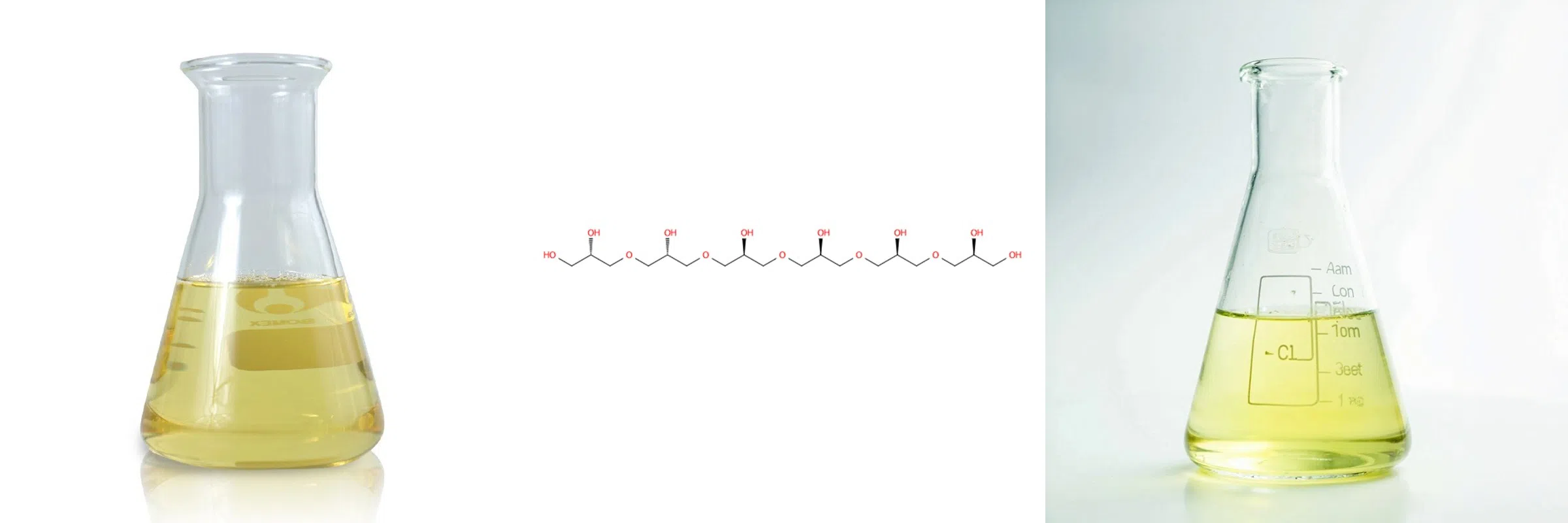
| storage temp. | Refrigerator, Under inert atmosphere |
| solubility | Chloroform (Slightly), DMSO (Soluble) |
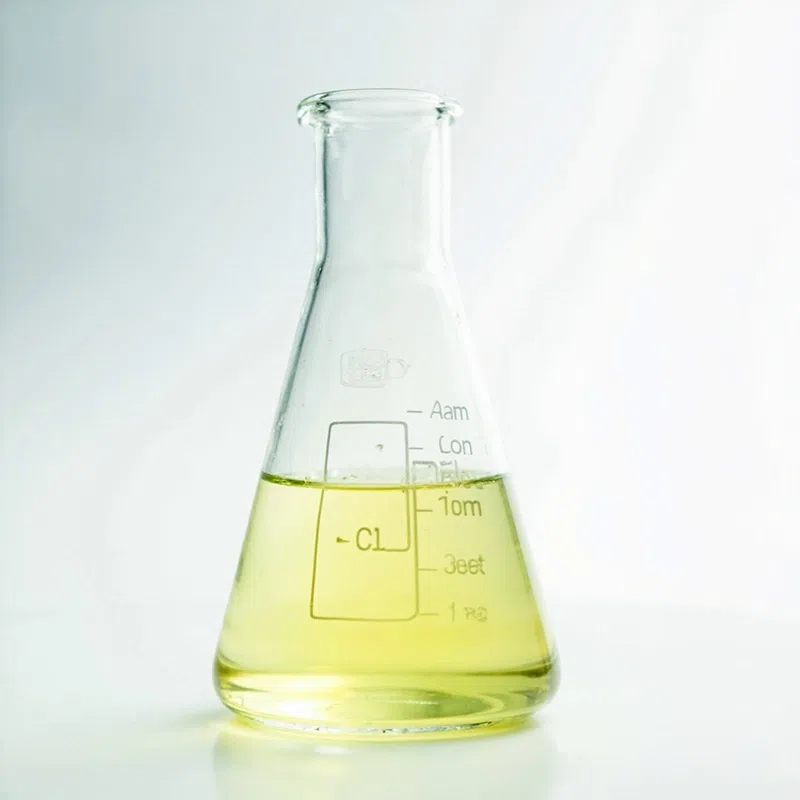
| form | Oil to Gel |
| color | Off-White to Light Yellow |
| EPA Substance Registry System | Hexaglycerol (36675-34-0) |
Product Application of Hexaglycerol CAS#36675-34-0
Hexaglycerol is extensively utilized in cosmetic formulations as a moisturizing agent, emollient, and dispersant to improve product performance and texture. Possessing outstanding water‑retention capacity, it effectively binds moisture in the stratum corneum, reduces transepidermal water loss, and delivers a lightweight, non‑sticky skin feel that avoids the heavy greasiness commonly seen with some polyol humectants. As an emollient, it enhances the spreadability of creams, lotions, serums and cleansing products, softens the skin surface and relieves dry tightness. When acting as a dispersant, it facilitates the homogeneous dispersion of pigments, sunscreen filters and poorly‑soluble functional actives throughout cosmetic matrices, minimizing particle agglomeration and boosting formulation uniformity as well as long‑term storage stability. Its good compatibility with most cosmetic raw materials further expands its usability across aqueous, emulsion and mild surfactant‑based systems.
Beyond personal care applications, it is also employed in industries such as food processing, rubber and plastics, petrochemicals, and other related sectors, benefiting from its multifunctional properties and excellent compatibility. In food processing, hexaglycerol serves as a humectant, emulsifier and texture modifier, helping retain moisture of baked goods and confectionery, inhibiting hardening and texture deterioration during shelf‑life. For rubber and plastics manufacturing, it works as a processing lubricant, antistatic additive and softening agent, improving melt flow performance during extrusion and molding while optimizing surface finish of finished articles. Within petrochemical fields, it functions as a solubilizer and auxiliary dispersant for oil‑derived formulations, assisting phase compatibility between polar and non‑polar components. Owing to its low‑irritation profile, thermal stability and broad‑range compatibility with various chemical components, hexaglycerol remains a valuable multi‑purpose additive for diversified industrial end‑uses.