Product Description of Antioxidant 1330 (CAS#1709-70-2)
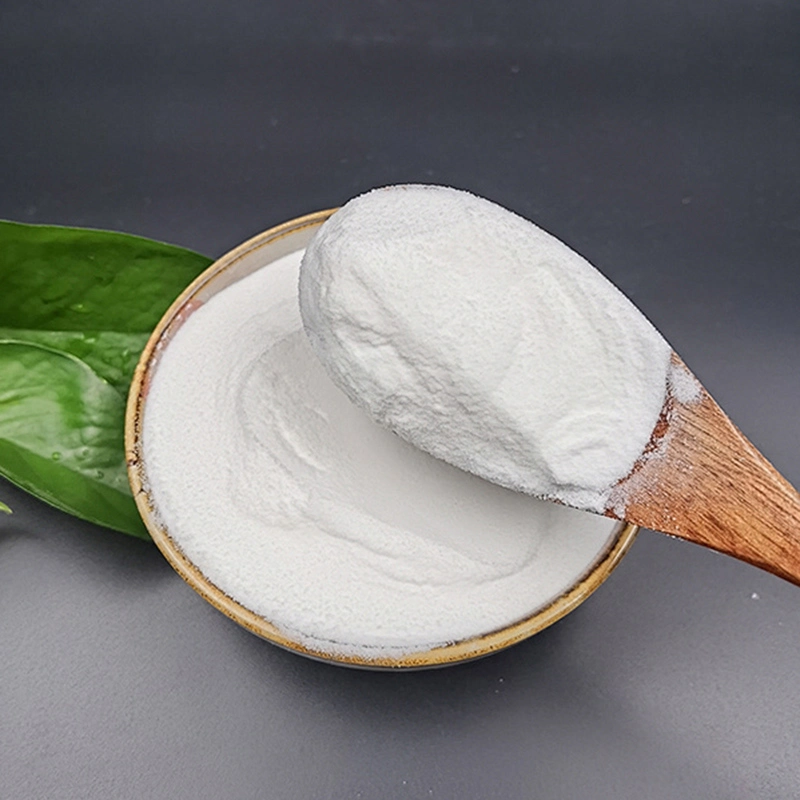
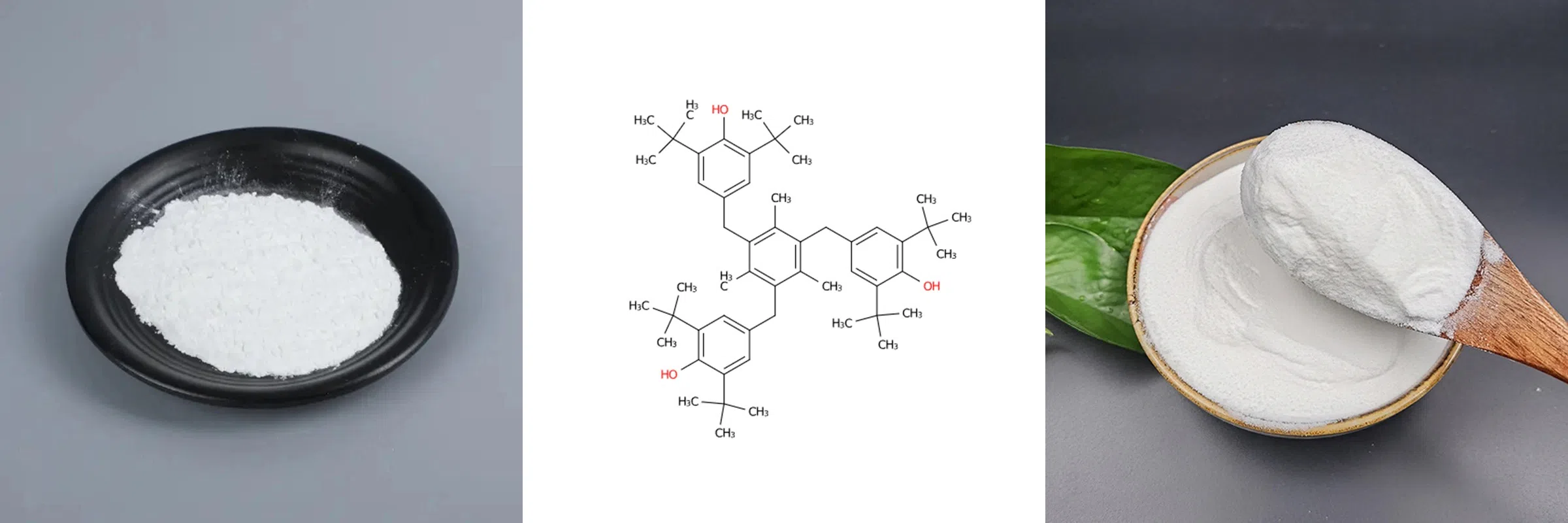
Antioxidant 1330 is a hindered phenolic antioxidant supplied as a white crystalline powder with a melting point above 244°C. It is practically insoluble in water but shows varying degrees of solubility in organic solvents. At 18°C, its solubility is approximately 20 g/100 g in benzene, 31.9 g/100 g in methylene chloride, 1.7 g/100 g in methylcyclohexane, 0.2 g/100 g in methanol, and 0.1 g/100 g in isopropyl alcohol.
Antioxidant 1330 provides excellent processing stability under elevated temperatures and offers strong resistance to thermal degradation. It also features good color stability, low toxicity, and minimal pollution during application. These characteristics make it a suitable antioxidant for a broad range of industrial materials and high-temperature processing applications.
Antioxidant 1330 Chemical Properties
| Melting point | 248-250 °C(lit.) |
| Boiling point | 739.54°C (rough estimate) |
| density | 0.8883 (rough estimate) |
| refractive index | 1.5800 (estimate) |
| Fp | 321℃ |
| storage temp. | 2-8°C |
| solubility | Chloroform (Slightly), Methanol (Very Slightly, Heated, Sonicated) |
| pka | 11.91±0.40(Predicted) |
| color | White to Off-White |
| Water Solubility | 8.09μg/L at 20℃ |
| InChIKey | VSAWBBYYMBQKIK-UHFFFAOYSA-N |
| LogP | 17.17 |
| CAS DataBase Reference | 1709-70-2(CAS DataBase Reference) |
| EPA Substance Registry System | 1,3,5-Trimethyl-2,4,6-tris(3,5-di-tert-butyl-4-hydroxybenzyl)benzene (1709-70-2) |
| Hazard Codes | Xi |
| Risk Statements | 36/37/38 |
| Safety Statements | 26-36 |
| WGK Germany | 1 |
| RTECS | DC3750000 |
| HS Code | 2907299000 |
| Toxicity | LD50 oral in rat: 1500mg/kg |
Product Application of Antioxidant 1330 (CAS#1709-70-2)
Antioxidant 1330 is a high-molecular-weight hindered phenolic antioxidant designed for use in a broad range of polymer materials. It is suitable for thermoplastic polyesters, polyamides, styrenic resins, polyolefins, PET, PBT, as well as elastomer systems such as polyurethane and natural rubber. Its good compatibility with resin systems, combined with low volatility, strong extraction resistance, corrosion resistance, high antioxidant efficiency, and favorable electrical insulation properties, supports reliable performance in demanding industrial formulations.
It is especially suitable for PP, PE, and other polyolefin products that undergo high-temperature processing. Typical applications include plastic pipes, injection-molded parts, wire and cable materials, and other polymer products requiring effective protection against thermal and oxidative degradation during processing and long-term use.