Aluminium Sulfate CAS#16828-11-8 Products Description
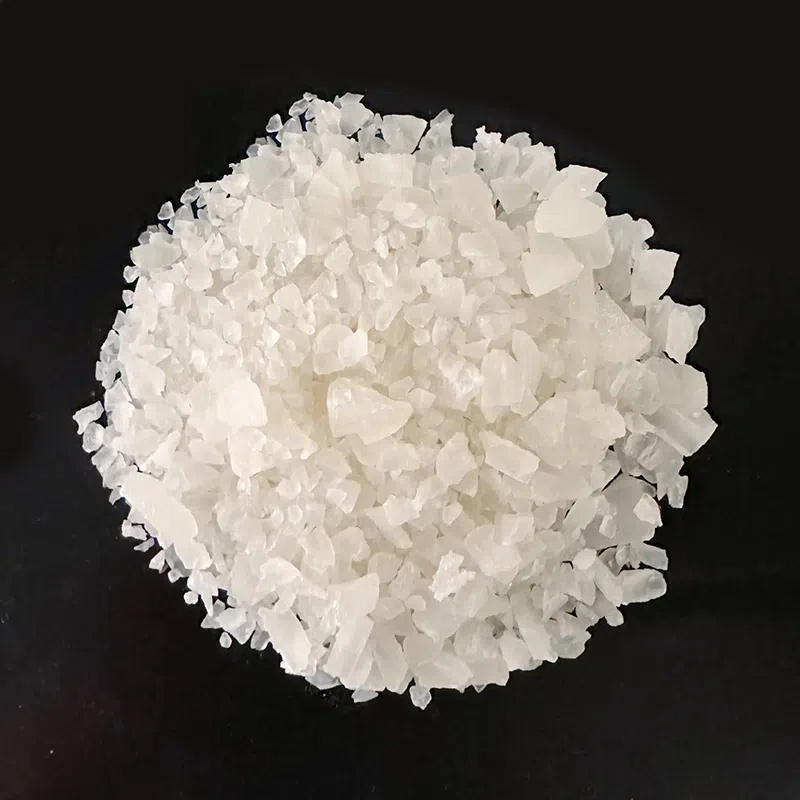
Aluminium Sulfate (CAS No. 16828-11-8), commonly referred to as Alum, is a widely utilized inorganic salt supplied in a white crystalline form. Its chemical formula is Al₂(SO₄)₃, and its strong coagulating action makes it particularly valuable in water purification. By promoting the aggregation and separation of suspended solids and other impurities, it helps improve water clarity and treatment efficiency. In addition to water treatment, Aluminium Sulfate is also used across a range of industrial processes where effective coagulation and purification are required.
Key Features:
Appearance: In its solid form, Aluminium Sulfate is characterized by a white crystalline appearance, no noticeable odor, and consistent physical properties.
Solubility: Aluminium Sulfate dissolves readily in water while showing negligible solubility in ethanol, allowing it to disperse quickly and form a uniform aqueous solution.
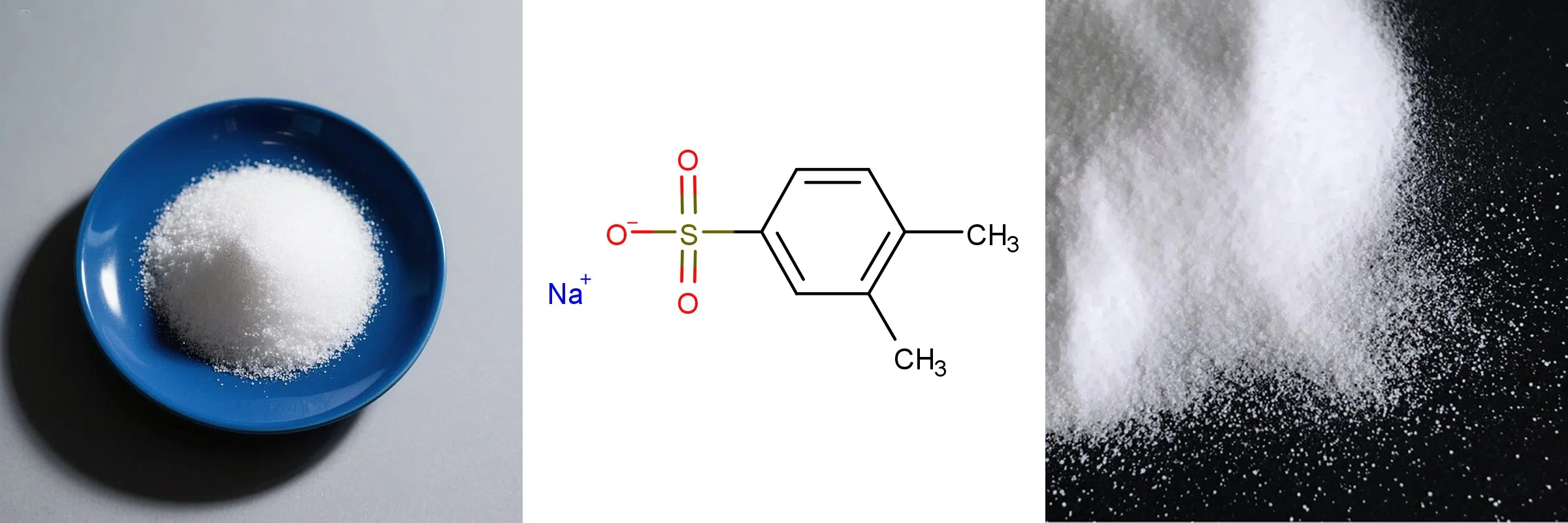
aluminium sulfate hexadecahydrate Chemical Properties
| Melting point | 770 °C (dec.)(lit.) |
| density | 2.71 g/mL at 25 °C(lit.) |
| storage temp. | Sealed in dry,Room Temperature |
| LogP | -1.031 (est) |
| CAS DataBase Reference | 16828-11-8(CAS DataBase Reference) |
| Hazard Codes | Xi |
| Risk Statements | 37/38-41 |
| Safety Statements | 26-39 |
| RIDADR | UN3260 - class 8 - PG 3 - RQ - Corrosive solid, acidic, inorganic, n.o.s., HI: all |
| WGK Germany | 1 |
| RTECS | BD1700000 |
Applications
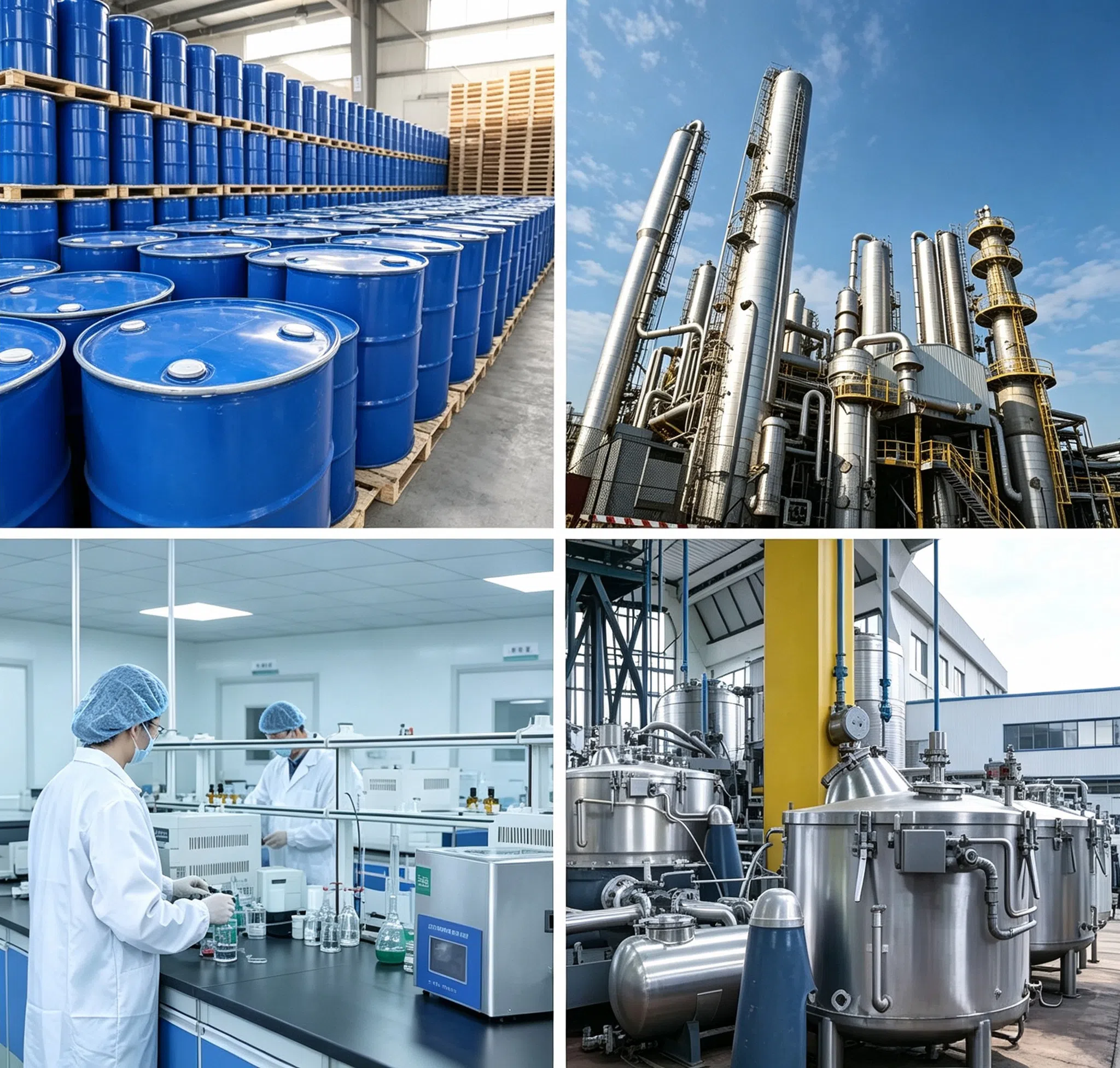
Beyond its role in water purification, Aluminium Sulfate is utilized as a functional raw material in the production of paper, textiles, dyes, paints, and other chemical products. Its coagulating and astringent properties also make it suitable for selected formulations and processing applications where aluminum-based compounds are required.
Storage and Handling
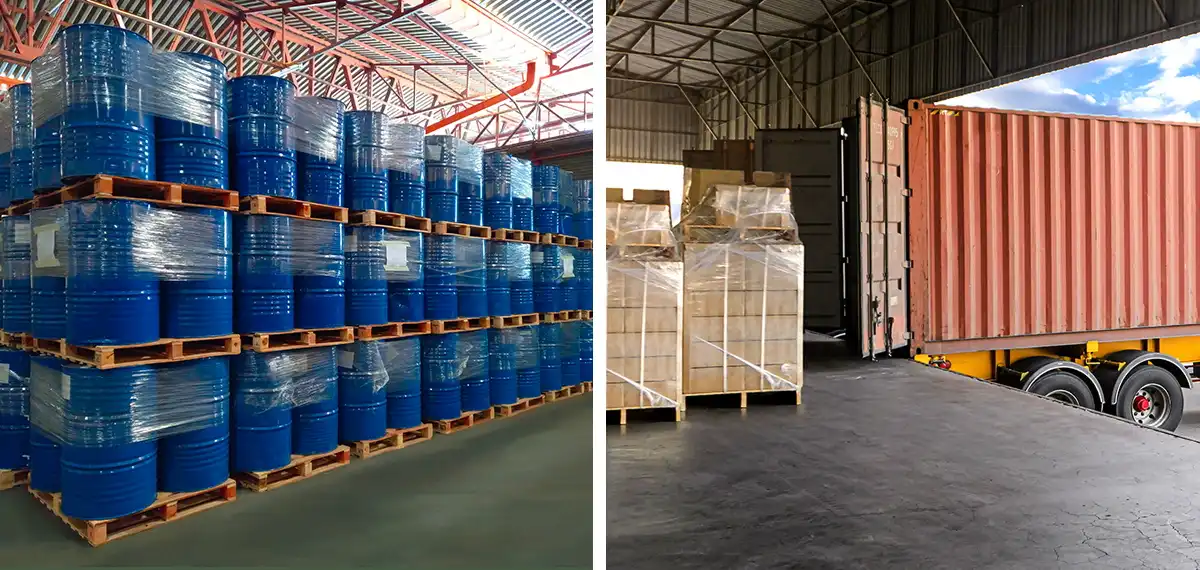
For optimum product quality, Aluminium Sulfate should be kept in a cool, dry, and well-ventilated storage area and protected from incompatible materials. During handling, suitable protective equipment, including chemical-resistant gloves and safety goggles, should be worn to minimize the risk of skin and eye contact.