Product Description of Phosphine CAS#7803-51-2
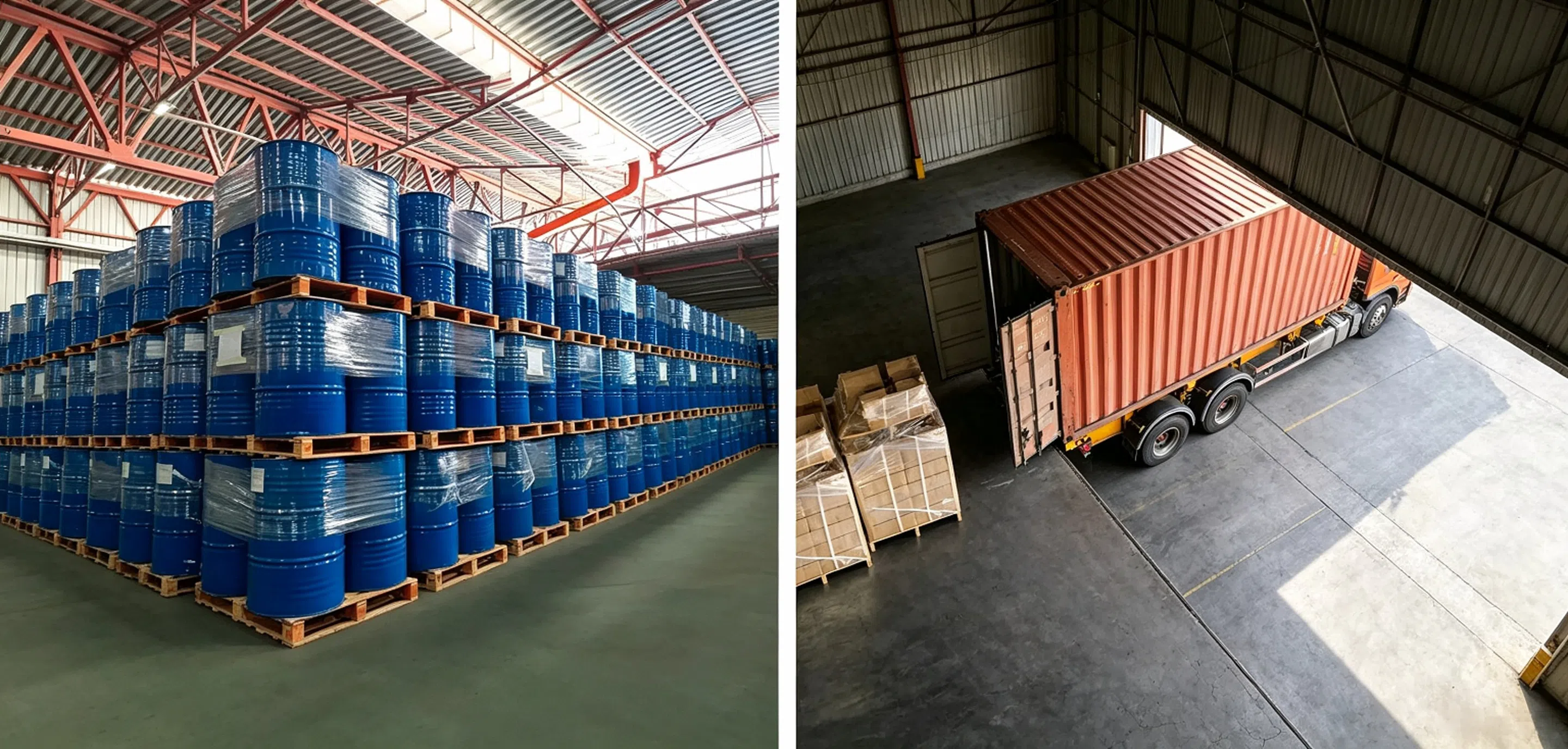
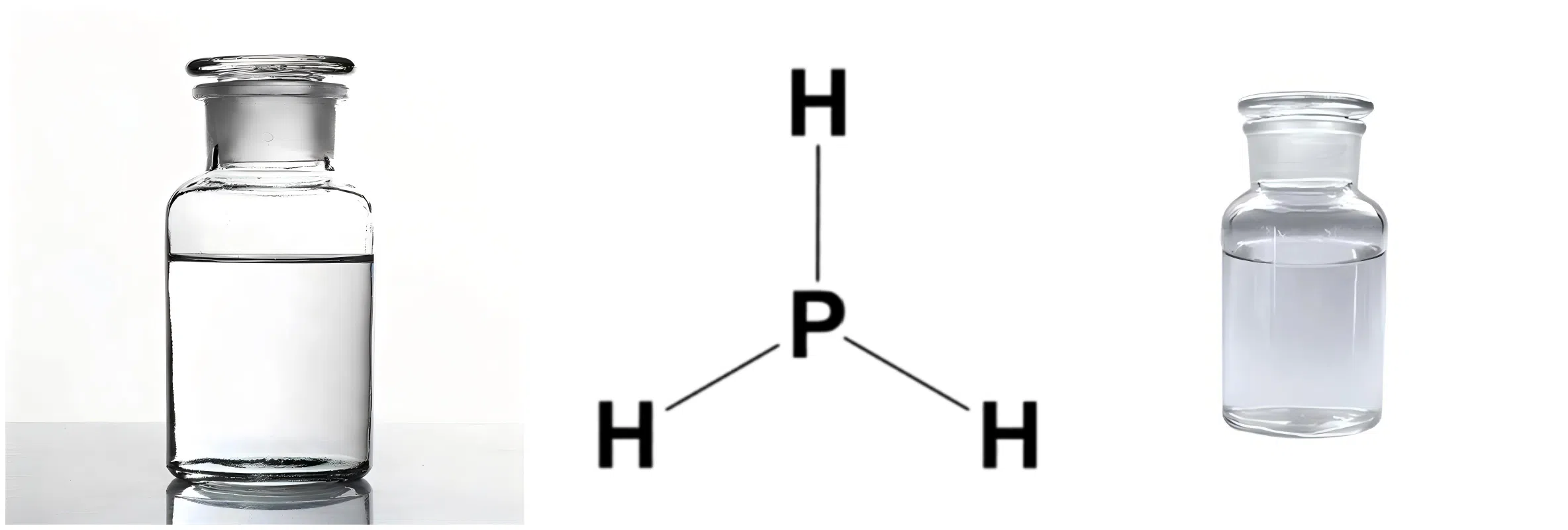
Phosphine (CAS No. 7803-51-2; chemical formula: PH₃) is a highly toxic, flammable, and potentially explosive gas. It is widely used in semiconductor manufacturing as a doping gas for advanced material processing and also has applications in agriculture as a fumigant for pest control.
Given its severe toxicity and hazardous characteristics, phosphine must be handled under stringent safety protocols and appropriate containment conditions. Even exposure to relatively low concentrations can result in serious health effects, making careful storage, transportation, and use essential.
Key Specifications
| Parameter | Electronic Grade | Industrial Grade |
| Purity | ≥99.999% | ≥99.9% |
| O₂ Content | ≤0.5 ppm | ≤50 ppm |
| H₂O Content | ≤1 ppm | ≤10 ppm |
| Total Impurities | ≤10 ppm | ≤1000 ppm |

Product Usage
1. Semiconductor Manufacturing
Serves as a phosphorus dopant gas for n-type silicon, enabling accurate doping control and achieving doping uniformity of ≤0.1%.
Used in MOCVD (Metal-Organic Chemical Vapor Deposition) processes for the fabrication of GaN-based LEDs and other advanced optoelectronic devices.
2. Grain Fumigation
Employed as a fumigant for stored grains, providing highly effective pest control and reported pest mortality of up to 99.9% at a dosage of 2 g/m³ under OECD Guideline 633.
Offers a low-residue fumigation option and can serve as an alternative to methyl bromide in certain pest-control applications.
3. Chemical Synthesis
Applied in specialized chemical synthesis as a catalyst or reactive phosphorus-containing reagent, including processes involved in the preparation of chiral pharmaceutical intermediates.