Product Description
2,5,7,10-Tetraoxaundecane (CAS 4431-83-8) is a synthetic organic compound characterized by an undecane backbone containing four ether linkages. Its molecular skeleton is constructed from an eleven-carbon undecane main chain, where four oxygen atoms are inserted to form repeated ether bonds, forming a typical polyether architecture with regularly distributed ether functional groups. As a member of the polyether family, it exhibits a flexible molecular structure and favorable solubility in a variety of organic solvents. The rotation freedom of C–O–C ether bonds endows the molecule with great chain flexibility, which further brings unique rheological and interfacial properties. It can dissolve readily in many common organic media such as alcohols, esters, ketones and aromatic hydrocarbons, while its solubility in water can be tuned by the quantity of ether oxygen atoms within the molecule.
The presence of multiple ether groups also provides opportunities for its use in chemical synthesis, materials science, and pharmaceutical-related applications. The ether linkages are chemically stable under neutral and mild alkaline environments, and can participate in targeted derivatization reactions under specific catalytic conditions, opening pathways for molecular modification and functional grafting. In chemical synthesis, it can act as a reaction medium or building block; in materials science, its flexible polyether segment helps to adjust the toughness, hydrophilicity and processing performance of polymer materials. In pharmaceutical research, its biocompatible polyether skeleton makes it a promising candidate for drug carrier research and formulation auxiliary development.
It may serve as a useful intermediate for the preparation of polymers and other structurally complex compounds. It can undergo polymerization, grafting or crosslinking reactions to build polyether-modified macromolecules, and it can also be used to construct complex organic molecular frameworks by connecting with other functional monomers, helping chemists design custom functional polymer materials and fine chemical derivatives.
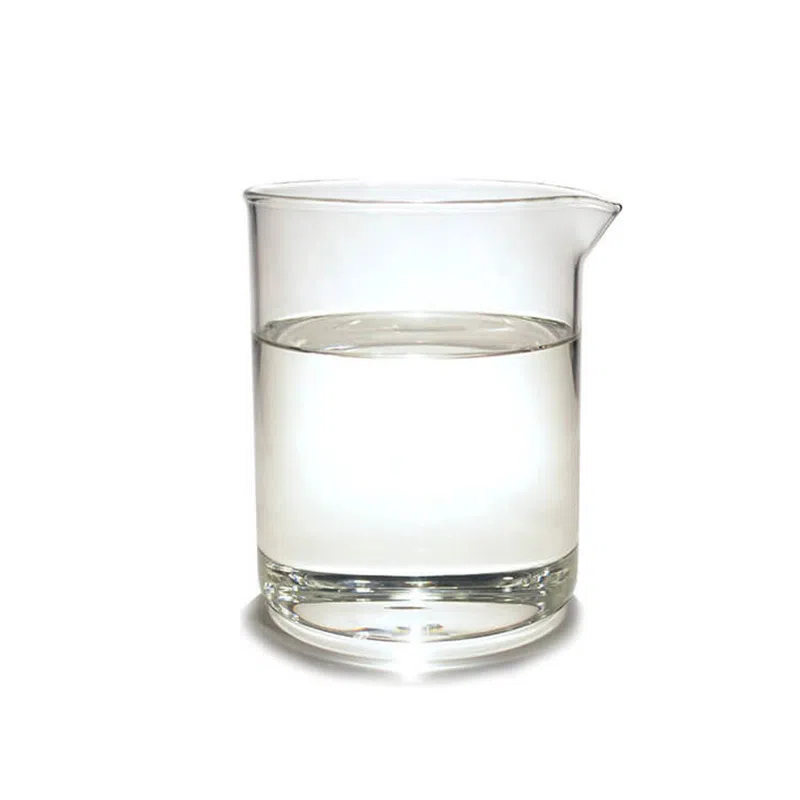
Depending on its purity, formulation, and physical state, 2,5,7,10-Tetraoxaundecane can exist as a colorless liquid or solid under ambient conditions. High-purity samples tend to show more distinct phase transition behavior; trace impurities will affect crystallization tendency, so commercial grades may appear as transparent free-flowing liquid or crystalline solid at room temperature. Its physical and chemical properties, including melting point, boiling point, and reactivity, may vary according to its molecular structure, composition, and the functional groups involved. Minor differences in isomer composition or residual impurities will shift thermal parameters such as melting and boiling points. Meanwhile, the rich ether groups dominate its chemical reactivity: it shows good resistance to hydrolysis under mild conditions, but may undergo cleavage of ether bonds under strong acid, high temperature or special catalytic environments. Such tunable thermal stability and reactivity make this polyether compound a versatile building block for diversified fine chemical R&D and manufacturing scenarios.
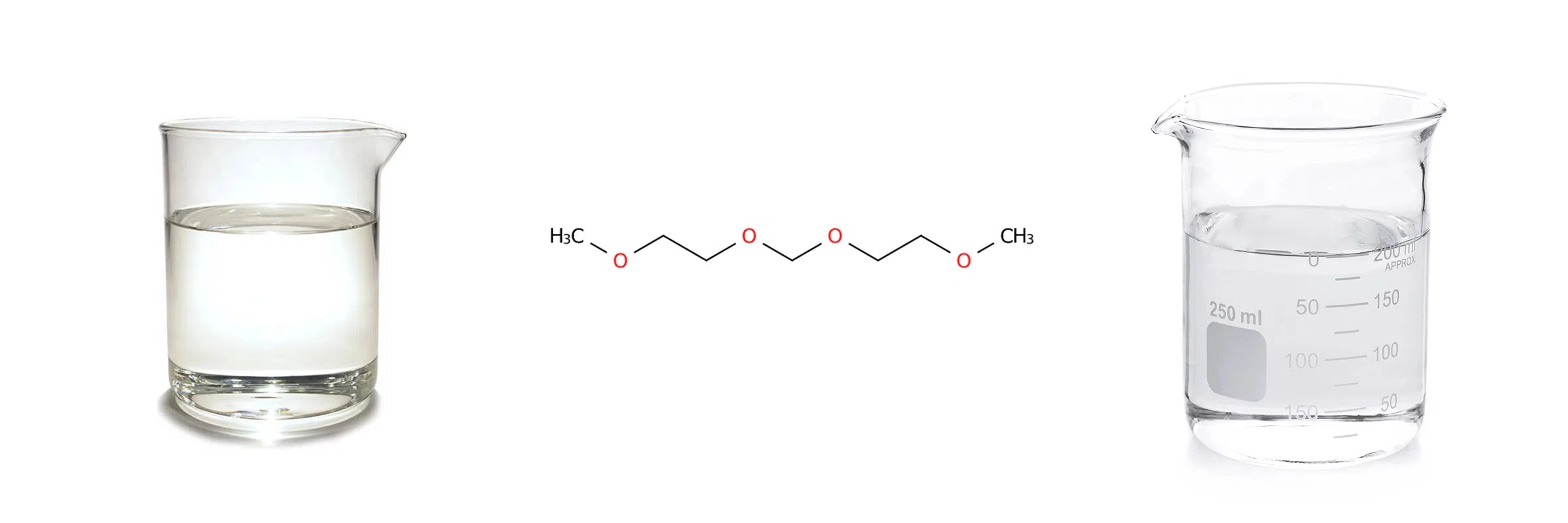
BIS(2-METHOXYETHOXY)METHANE Chemical Properties
| Boiling point | 60°C 1,5mm |
| Density | 0,995 g/cm3 |
| Vapor pressure | 22Pa at 25℃ |
| Refractive index | 1.414 |
| Fp | 60°C/1.5mm |
| Form | liquid |
| Color | Colourless |
| Water Solubility | Fully miscible in water. |
| BRN | 1700087 |
| LogP | -0.69 at 22℃ |
| EPA Substance Registry System | 2,5,7,10-Tetraoxaundecane (4431-83-8) |
| Safety Statements | 24/25 |
| HS Code | 2909199090 |
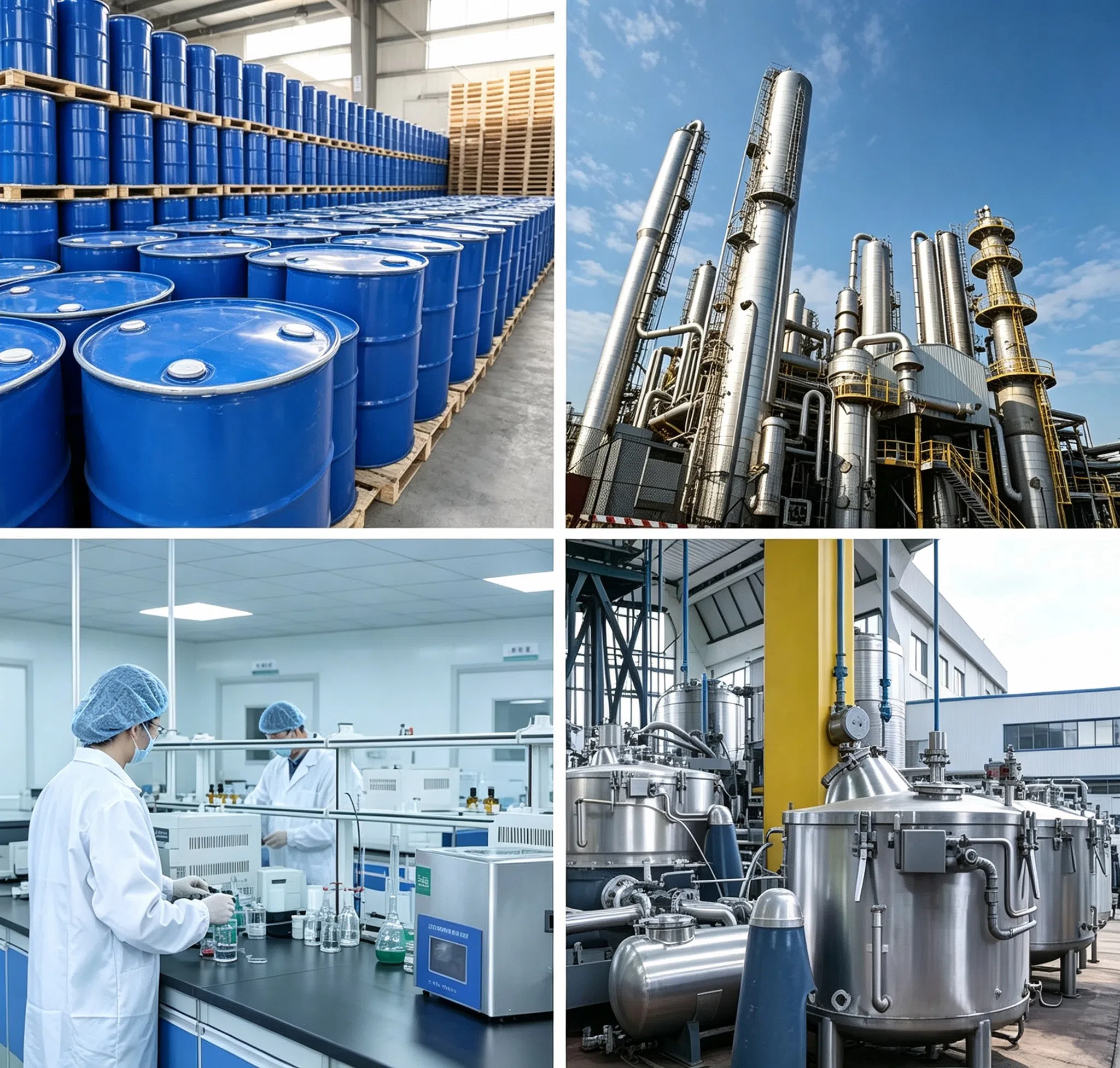
Product Application of BIS(2-METHOXYETHOXY)METHANE CAS#4431-83-8
In the coatings and printing ink industry, it serves as a high-performance slow-evaporating co-solvent and film-forming auxiliary solvent. It can effectively dissolve polyurethane resins, acrylic resins and various coating binders, precisely adjust the system viscosity and evaporation speed during construction. It significantly optimizes film leveling performance, eliminates common coating defects such as shrinkage holes, orange peel and pinholes, and improves the surface smoothness, adhesion and overall finish of paint films. For water-based PU paints and high-grade printing inks, it stabilizes the ink formula system, prevents rapid surface drying and crusting, and ensures uniform coloring and continuous construction effect.
In the digital inkjet printing field, it is a core functional solvent for high-quality inkjet inks. With low volatility and non-clogging characteristics, it effectively delays solvent volatilization at the nozzle, prevents pigment agglomeration and nozzle blockage during long-term standby operation, and greatly improves the stability and printing fluency of inkjet systems. Meanwhile, its low-odor and environmentally friendly properties meet the production and use standards of high-end household and industrial inkjet products.
In new energy lithium battery manufacturing, it acts as an advanced electrolyte solvent and lithium ion chelating agent. Its special polyether structure can form stable coordination complexes with lithium cations, optimizing lithium ion transmission efficiency and electrode interfacial stability. It effectively improves battery cycling stability, maintains high capacity retention after long-term charge and discharge cycles, and supports stable lithium plating performance. With a wide electrochemical window and excellent thermal and chemical stability, it is an ideal green alternative to traditional toxic battery solvents, widely used in high-voltage and high-stability lithium battery electrolyte systems.
In the electronic precision cleaning industry, this product is applied to the fine cleaning of PCB circuit boards, optical components and precision electronic parts. It can efficiently dissolve and remove residual photoresist, resin dirt and printing ink residues on the surface of electronic components, with no corrosion on precision materials and no secondary residue, ensuring the cleanliness and operational reliability of electronic devices.
In adhesive formulation, it functions as a viscosity regulator and wetting auxiliary. It reasonably adjusts the open time of adhesives, enhances the wetting and spreading ability of glue on different substrate surfaces, and significantly improves the bonding strength and interfacial adhesion of adhesive products.