Products Description of Calcium Hypochlorite CAS#7778-54-3
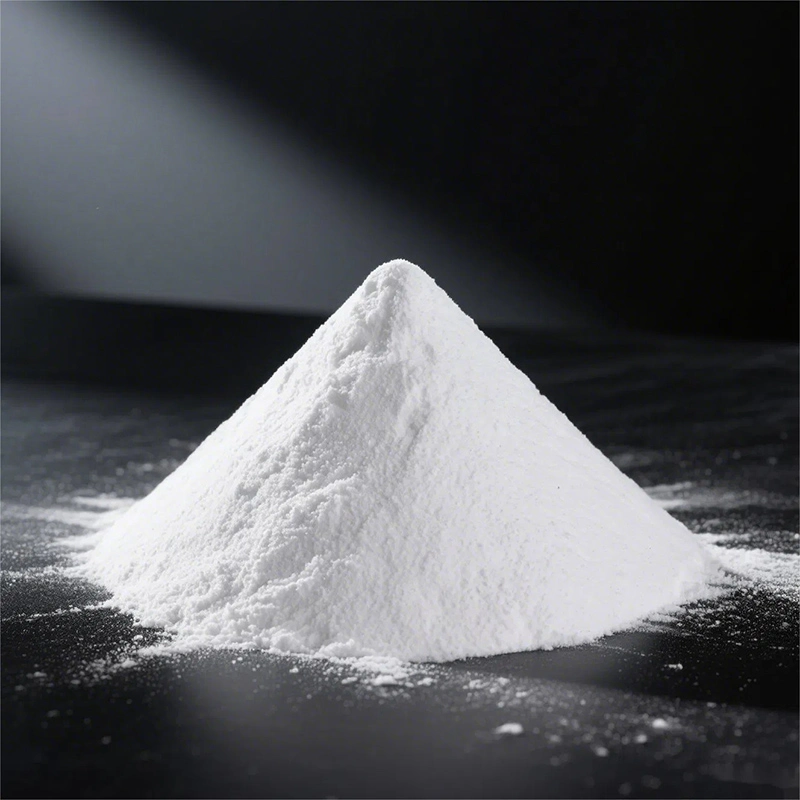
Calcium hypochlorite, also widely referred to as bleaching powder, is commonly represented by the chemical formula CaCl₂·Ca(ClO)₂·2H₂O. It is typically found as a white powder, with its exact composition varying according to the manufacturing process. In general, commercial calcium hypochlorite may be present as a hydrated complex mixture containing calcium hypochlorite, calcium chloride, and residual calcium hydroxide, with calcium hypochlorite serving as the principal active ingredient.
Calcium hypochlorite is characterized by strong oxidizing properties and may exhibit corrosive and irritating effects. It can undergo decomposition in the presence of water, ethanol, or inorganic acids. When it comes into contact with water or inorganic acids, it generates hypochlorous acid (HClO), a highly effective oxidizing agent with bleaching and antimicrobial properties. Consequently, the bleaching and disinfecting performance of calcium hypochlorite is primarily attributed to the oxidative activity of hypochlorous acid.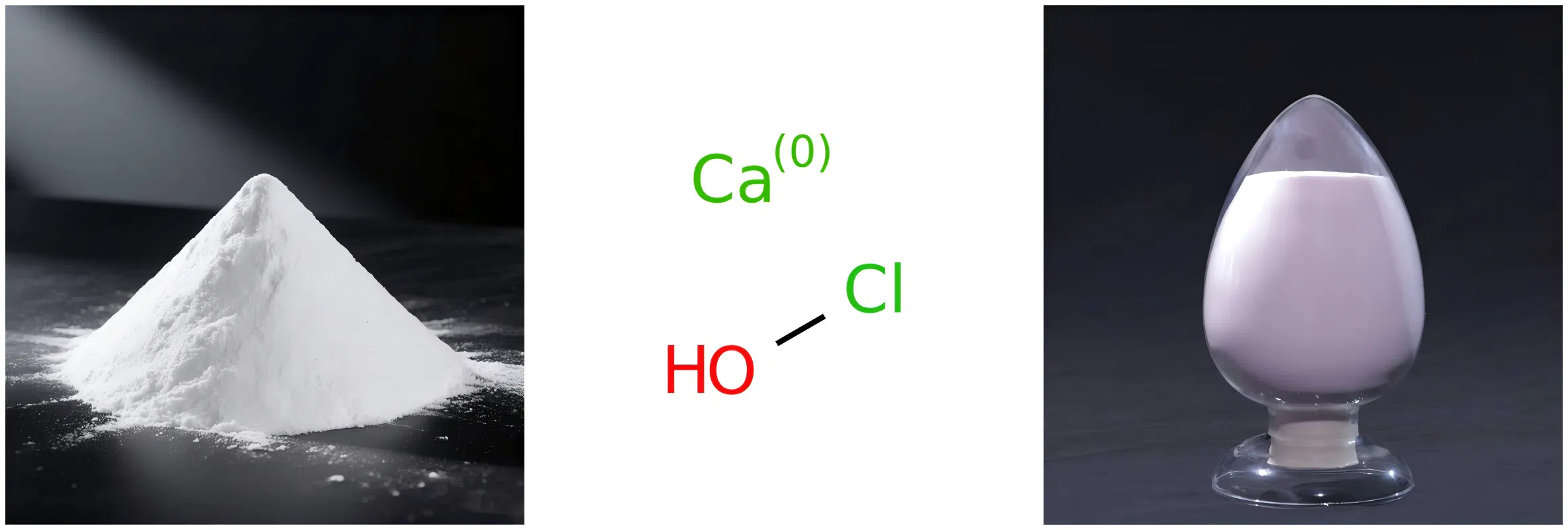
Calcium hypochlorite Chemical Properties
| Melting point | 100 °C(lit.) |
| density | 2.35 g/mL at 25 °C(lit.) |
| storage temp. | Store at +15°C to +25°C. |
| solubility | 200g/l (decomposition) |
| form | Tablets |
| Specific Gravity | 2.35 |
| color | White to off-white or faint green |
| Odor | Chlorine-like odor |
| Water Solubility | 200 g/L (20 ºC) (dec.) |
| Merck | 141674 |
| Dielectric constant | 2.3(Ambient) |
| Stability: | Stability Strong oxidizer - contact with flammable material may lead to fire. Incompatible with water, reducing agents, combustible material, phenol. |
| InChIKey | ZKQDCIXGCQPQNV-UHFFFAOYSA-N |
| CAS DataBase Reference | 7778-54-3(CAS DataBase Reference) |
| EPA Substance Registry System | Calcium hypochlorite (7778-54-3) |
| Hazard Codes | O,C,N |
| Risk Statements | 8-22-31-34-50 |
| Safety Statements | 26-36/37/39-45-61 |
| RIDADR | UN 1748 5.1/PG 2 |
| WGK Germany | 2 |
| RTECS | NH3485000 |
| TSCA | Yes |
| HS Code | 2828 10 00 |
| HazardClass | 5.1 |
| PackingGroup | II |
| Hazardous Substances Data | 7778-54-3(Hazardous Substances Data) |
| Toxicity | LD50 orally in Rabbit: 850 mg/kg LD50 dermal Rabbit > 2000 mg/kg |
Product Application of Calcium Hypochlorite CAS#7778-54-3
Calcium hypochlorite is a highly effective bleaching and disinfecting agent known for its relatively good storage stability. Under appropriate room-temperature storage conditions, it can maintain its active properties for an extended period with limited decomposition. Its strong oxidizing capability makes it suitable for a wide range of bleaching, sanitation, and chemical processing applications.
In the textile and paper industries, calcium hypochlorite is commonly used for bleaching cotton, linen, chemical fibers, silk fabrics, pulp, and starch. It is also widely employed for the disinfection and sterilization of drinking water, swimming pools, and other water treatment systems. In addition, it can be used for mildew control and preservation during leather storage.
In chemical processing, calcium hypochlorite finds applications in acetylene purification and in the preparation of chloroform and other organic chemical intermediates. It may also be utilized in specialized applications such as wool shrink resistance, deodorization, and related sanitation processes.