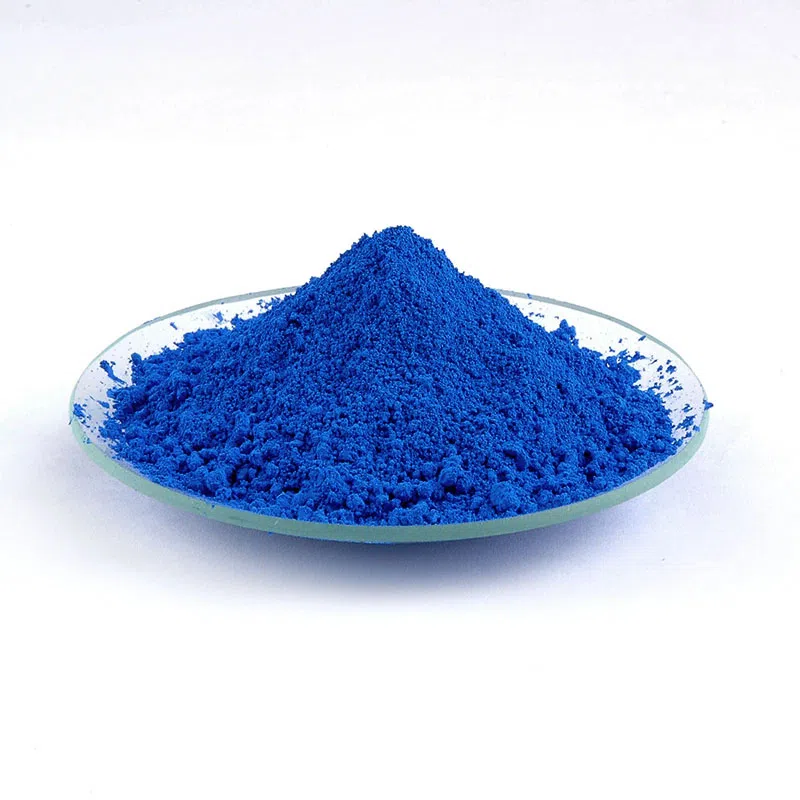
Products Description of Indigo CAS#482-89-3
Indigo is a traditional vat dye with a history of more than 3,000 years. The well-known saying by Xun Kuang during the Warring States period, “Blue is derived from the indigo plant but surpasses it in color,” is closely associated with the indigo dyeing techniques of that time. Here, “qing” refers to cyan, while “blue” refers to the indigo-producing plants from which the dye was traditionally extracted. Indigo was already widely used as a natural dye well before the Qin and Han dynasties, reflecting its long-standing importance in textile dyeing and traditional craftsmanship.
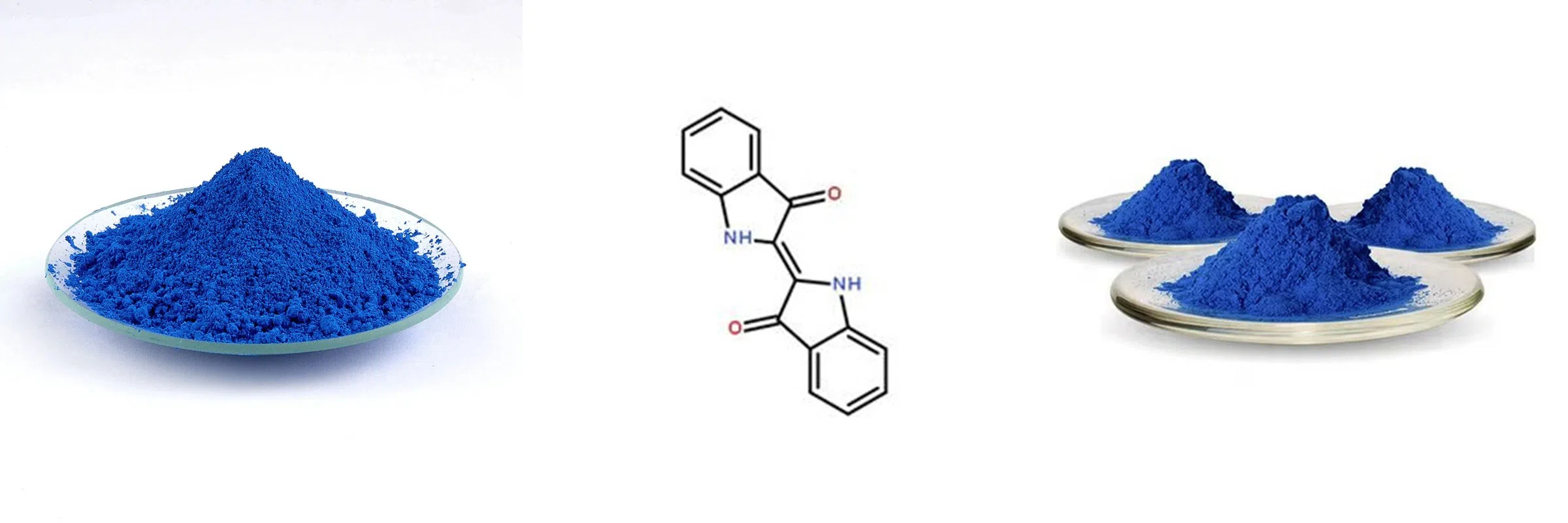
Indigo Chemical Properties
| Melting point | >300 °C(lit.) |
| Boiling point | 405.51°C (rough estimate) |
| Density | 1.01 g/mL at 20 °C |
| Vapor pressure | 0Pa at 100℃ |
| Refractive index | 1.5800 (estimate) |
| Fp | >220℃ |
| Storage temp. | Sealed in dry,Room Temperature |
| Solubility | DMSO (Slightly, Heated, Sonicated), DMF (Slightly) |
| Form | Powder |
| Colour Index | 73000 |
| Pka | -3.83±0.20(Predicted) |
| Color | Dark blue to violet |
| Water Solubility | <0.1 g/100 mL |
| Merck | 144,943 |
| BRN | 88275 |
| Stability | Stable. Incompatible with strong oxidizing agents. |
| InChIKey | COHYTHOBJLSHDF-BUHFOSPRSA-N |
| LogP | 2.7 at 23℃ |
| CAS DataBase Reference | 482-89-3(CAS DataBase Reference) |
| NIST Chemistry Reference | c.i. Vat blue 1(482-89-3) |
| EPA Substance Registry System | C.I. Vat Blue 1 (482-89-3) |
Safety Information
| Hazard Codes | Xi,Xn |
| Risk Statements | 36/38-36/37/38-48/20/21/22 |
| Safety Statements | 26-36 |
| RIDADR | UN 3264 8/PG 3 |
| WGK Germany | 1 |
| RTECS | DU2988400 |
| HS Code | 32041510 |
| Hazardous Substances Data | 482-89-3(Hazardous Substances Data) |
| Toxicity | LD50 oral in mouse: > 32gm/kg |
Product Application of Indigo CAS#482-89-3
Indigo is widely used as a colorant in various food products, subject to applicable national regulations governing its permitted uses and maximum dosage levels. For red and green silk, the maximum permitted dosage is 0.02 g/kg. In fruit juice and flavored beverages, carbonated beverages, prepared wines, candies, pastries, coated foods, decorative canned cherries, and green plums, the maximum allowable level is 0.10 g/kg. For pickled vegetables and similar side dishes, the permitted maximum dosage is 0.01 g/kg.