Product Details
Palatinose, also known as isomaltulose, is a sucrose-derived disaccharide produced through enzymatic transformation and purification using α-glucosyltransferase. Developed through biotechnology and enzyme engineering, it is designed to modify the structural properties of sucrose while maintaining its natural nutritional characteristics. As a functional sugar alternative, palatinose helps reduce the potential health concerns associated with excessive sucrose intake.
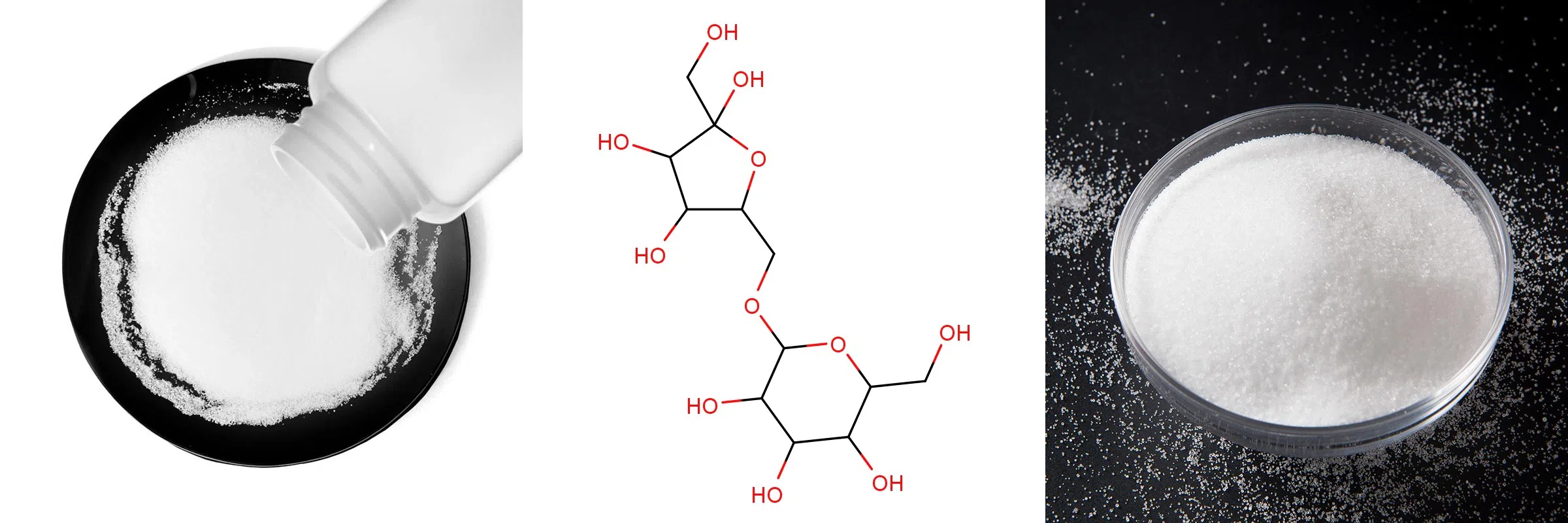
Structurally, palatinose consists of glucose and fructose molecules connected by an α-1,6 glycosidic bond. During production, the original α-1,2 bond in sucrose is enzymatically cleaved and rearranged into an α-1,6 linkage, resulting in a sucrose isomer with the same molecular composition but a different bonding arrangement.
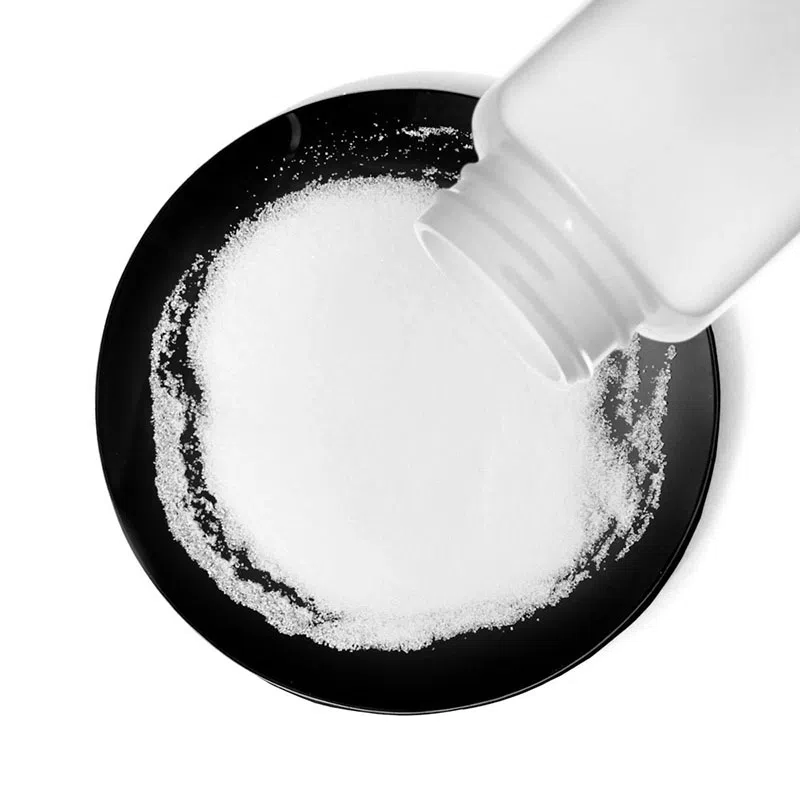
Palatinose appears as white, odorless crystalline powder, with a molecular weight of 360.32 and one molecule of crystal water. It has a melting point of approximately 124°C and a specific rotation of [α]²⁰D 97.2. Compared with sucrose, it exhibits low hygroscopicity, reduced solubility and viscosity, and excellent acid stability. Currently, commercial palatinose is manufactured through immobilized cell or immobilized enzyme bioconversion processes using sucrose as the raw material.
Palatinose Chemical Properties
| Melting point | 125-128°C |
| Alpha | 100 º (c=2, H2O) |
| Boiling point | 684.1±55.0 °C(Predicted) |
| Density | 1.77±0.1 g/cm3(Predicted) |
| Storage temp | Hygroscopic, -20°C Freezer, Under inert atmosphere |
| Solubility | DMSO (Slightly), Water (Slightly) |
| Form | Solid |
| Pka | 11.39±0.70(Predicted) |
| Color | White to Off-White |
| Safety Statements | 24/25 |
| HS Code | 29329990 |
Product Application of Palatinose
Palatinose is characterized by mild sweetness, low hygroscopicity, excellent acid stability, and resistance to utilization by yeast and certain microorganisms. It is non-cariogenic, suitable for diabetic-friendly formulations, and offers a taste profile similar to sucrose. Due to these advantages, it can be used as a partial or complete sucrose replacement in a wide range of applications, including foods, beverages, and frozen products. It is commonly incorporated into ice cream and other frozen desserts, baked goods, concentrated fruit juices, confectionery, preserved fruits, jams, alcoholic mixed beverages, biscuits, bread, and other related products.
Following consumption, palatinose is gradually hydrolyzed into glucose and fructose by digestive enzymes in the small intestine, resulting in slower absorption and metabolism compared with sucrose. This slow-release property helps support more stable blood glucose levels and reduces rapid fluctuations in insulin secretion. As a low-glycemic and non-cariogenic sweetener, palatinose is particularly suitable for products designed for people managing blood sugar levels, as well as for children and adolescents who require controlled sugar intake during growth and development.