Product Description of Polyisobutylene CAS#9003-27-4
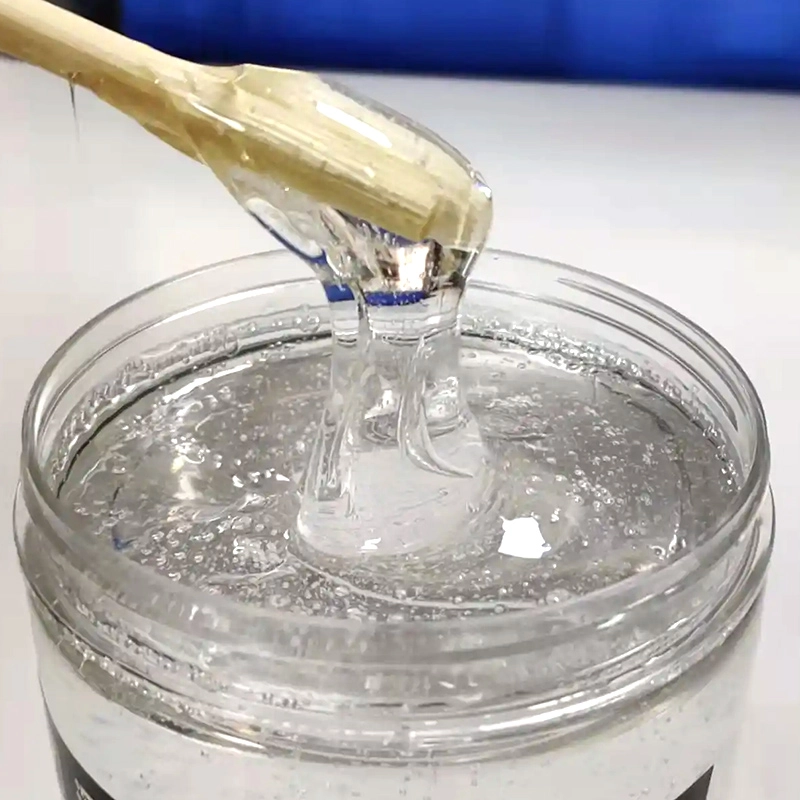
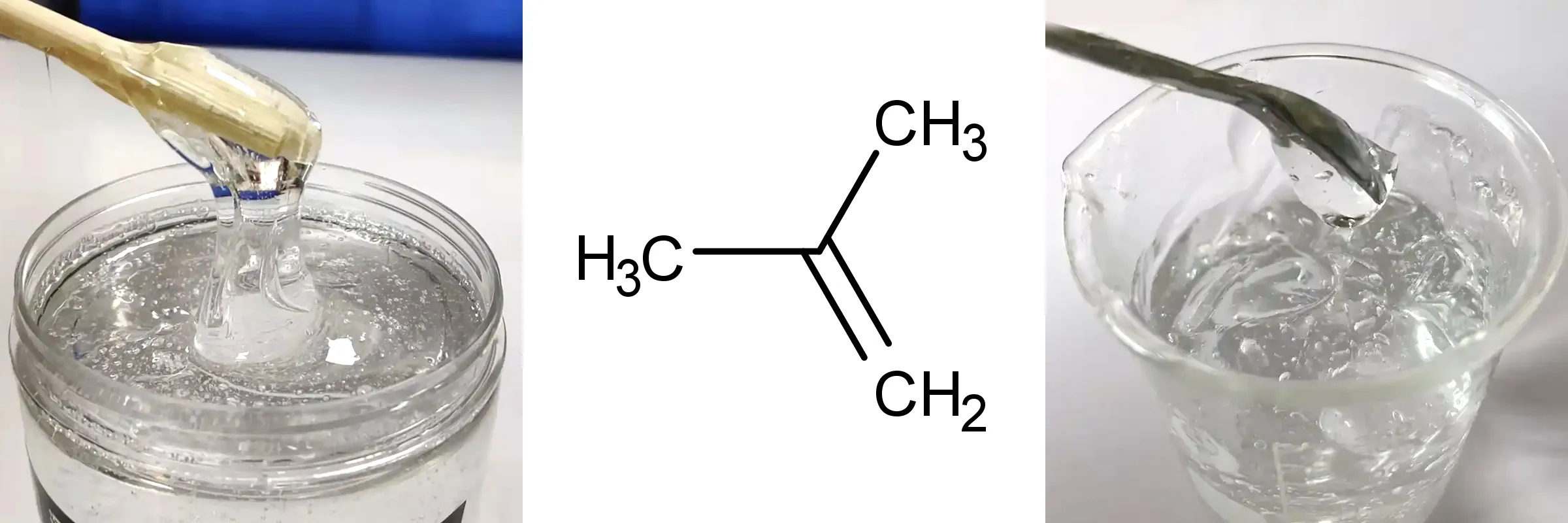
Polyisobutylene (PIB) is a non-toxic, linear saturated polymer that typically appears as a water-white to pale yellow liquid or semi-solid. Featuring a flexible molecular architecture and a low glass transition temperature, it combines exceptional elasticity with robust chemical stability. Its molecular weight can be tailored to yield viscosities spanning 5 to 4,700 cSt at 100°C, allowing precise customization from light fluid grades to high-viscosity, high-tack variations.
Physical Properties:
Appearance: Liquid or semi-solid (Water-white to pale yellow)
Odor: Odorless or slight characteristic odor
Viscosity: 5 to 4,700 cSt at 100°C (molecular weight dependent)
Density: ~0.92 g/mL at 25°C
Solubility Profile:
Soluble in: Hydrocarbons, aromatics, gasoline, cycloalkanes, mineral oil, chlorinated hydrocarbons, and carbon disulfide.
Partially soluble in: Higher alcohols and esters.
Insoluble in: Water, lower alcohols (methanol, ethanol, isopropanol), ethylene glycol, acetone, and glacial acetic acid.
Key Applications
Lubricants: Enhances 2-stroke engine oils, gear oils, greases, hydraulic liquids, and metalworking fluids.
Adhesives & Sealants: Ideal for pressure-sensitive adhesives (PSA), hot-melt adhesives (HMA), and automotive, tire, or window sealants.
Stretch Film: Boosts tear strength, commonly utilized in food-contact films.
Electrical Insulation: Functions as a non-conductive, non-oxidizing, moisture-barrier dielectric.
Consumer Goods: Applied in cosmetic formulations and food-grade chewing gum bases.
Polyisobutylene Chemical Properties
| Melting point | 54-56 °C |
| Boiling point | 300 °C |
| Density | 0.92 g/mL at 25 °C (lit.) |
| Tg | -61 |
| Tg | -62 |
| Tg | -64 |
| Tg | -75 |
| Refractive index | n20/D 1.51 |
| Fp | >212 |
| Fp | >482 |
| Form | slab/chunk |
| Stability | Stability Combustible. Incompatible with strong oxidizing agents. |
| InChI | InChI=1S/C4H8/c1-4(2)3/h1H2,2-3H3 |
| InChIKey | VQTUBCCKSQIDNK-UHFFFAOYSA-N |
| SMILES | C=C(C)C |
| EPA Substance Registry System | Polyisobutylene (9003-27-4) |
Safety Information
| Safety Statements | 24/25 |
| WGK Germany | 3 |
| RTECS | UD1010000 |
| TSCA | TSCA listed |
| HS Code | 39022000 |
| Hazardous Substances Data | 9003-27-4(Hazardous Substances Data) |

Safety and Handling:
Precautions: While classified as non-toxic, standard industrial hygiene practices apply. Wear protective gloves and safety goggles during handling.
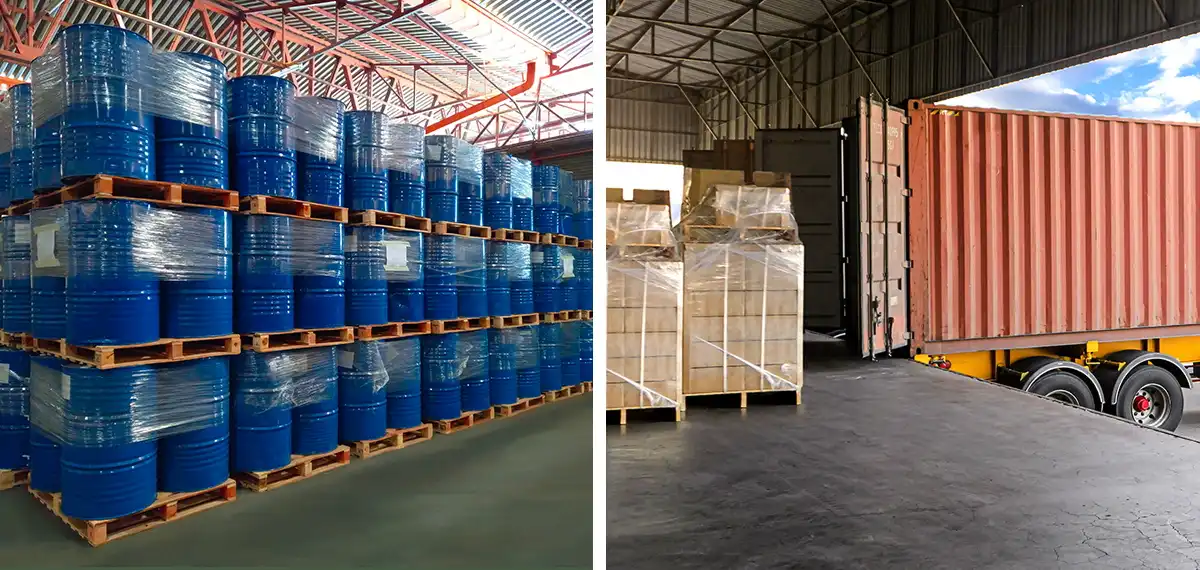
Storage Requirements: Keep in a dry, cool environment away from heat sources and strong oxidizing agents. Ensure containers remain tightly sealed to maintain product integrity through its 36-month shelf life.