Product Description of Sodium Amide CAS#7782-92-5
Sodium Amide (NaNH₂) Overview
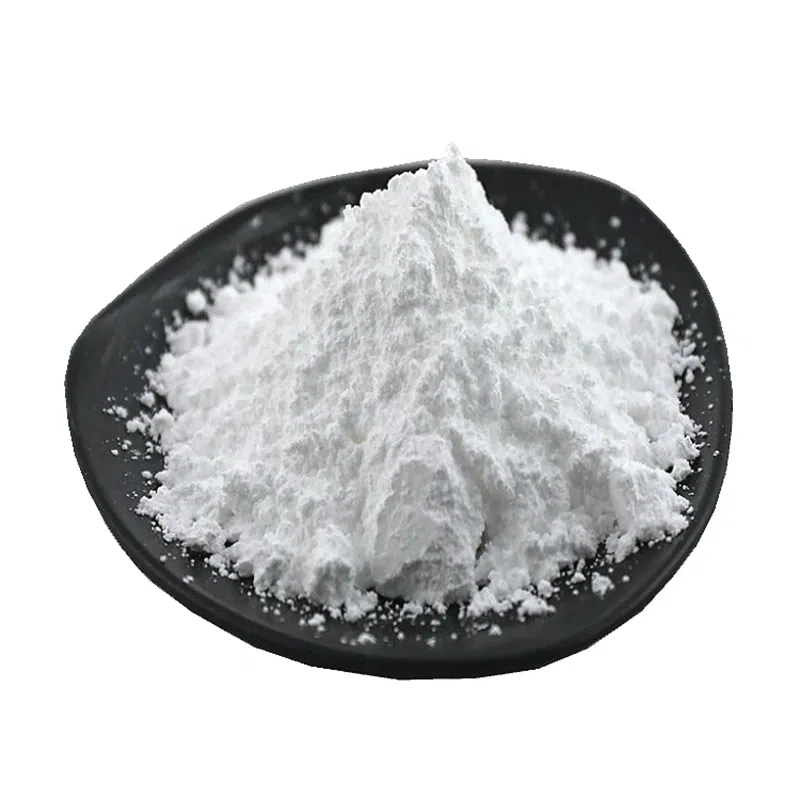
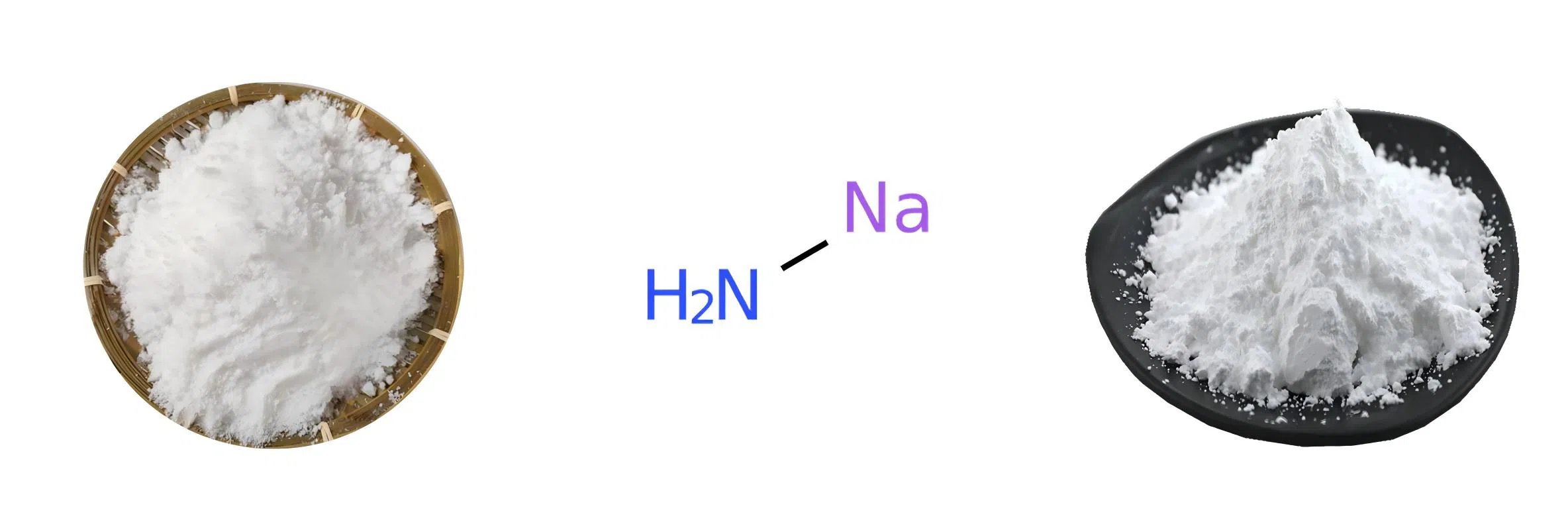
Sodium Amide, with the chemical formula NaNH₂ and a molecular weight of 39.01, is a highly reactive inorganic compound typically appearing as a white to pale green crystalline powder with a characteristic ammonia-like odor. It is known for its strong basicity, excellent nucleophilic activity, and high sensitivity to moisture and air.
Physical and Chemical Properties
Sodium Amide has a melting point of approximately 210°C and a boiling/decomposition temperature of around 400°C. It reacts rapidly and exothermically with water, generating sodium hydroxide and ammonia:
NaNH₂ + H₂O → NaOH + NH₃
It is soluble in liquid ammonia and shows limited reactivity with alcohols. Because of its strong affinity for moisture and carbon dioxide, Sodium Amide can deteriorate when exposed to humid air and should therefore be handled and stored under dry, controlled conditions.
Chemical Reactivity
As an ionic compound containing the highly basic amide ion (NH₂⁻), Sodium Amide readily participates in proton-transfer and substitution reactions. Its strong basicity and nucleophilic properties make it a useful reagent for a variety of chemical transformations. It can also undergo reactions with carbon-containing compounds to produce important chemical intermediates.
Applications in Organic Synthesis
Sodium Amide is widely employed in chemical synthesis as a strong base and aminating reagent. It can also function as a condensation promoter, dehydrating agent, dehalogenating reagent, alkylation reagent, and polymerization initiator. These properties make it valuable in laboratory research, fine-chemical manufacturing, and other specialized synthesis processes.
Industrial Importance
Sodium Amide is an important intermediate in the manufacture of several commercially valuable chemicals, including hydrazine, sodium cyanide, azides, cyanide compounds, and indigo. Its strong chemical activity also allows it to serve as a starting material for various downstream synthesis routes.
Handling and Storage
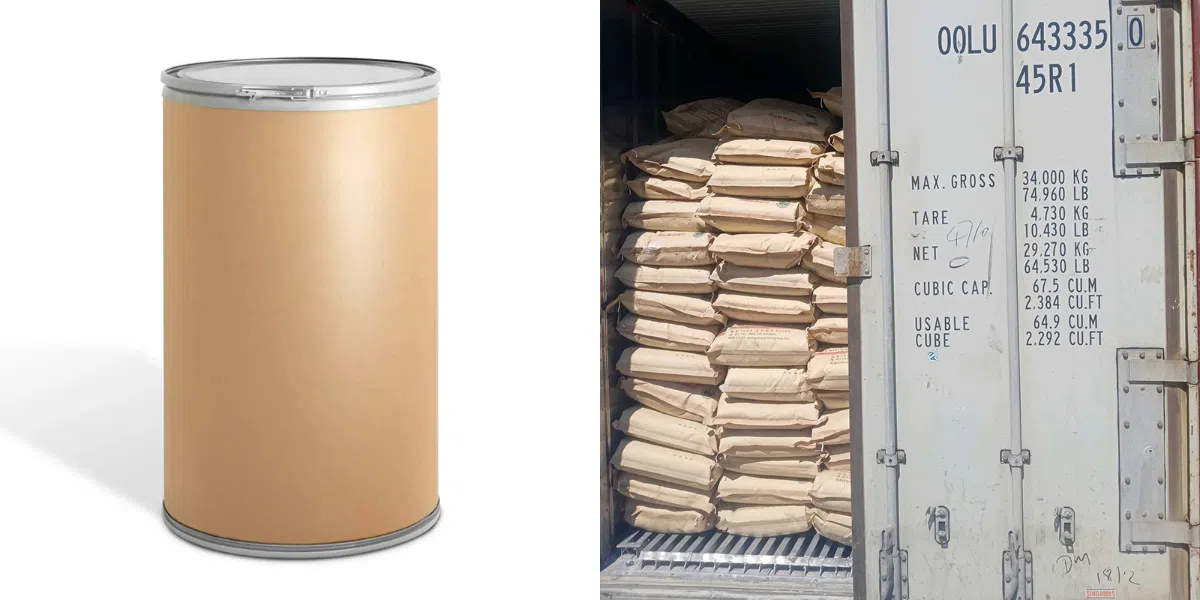
Sodium Amide is highly reactive and can be hazardous if improperly handled. It is moisture-sensitive, corrosive, and combustible, and its dust may cause significant irritation to the skin, eyes, and respiratory tract. Prolonged exposure to air may lead to surface oxidation and the formation of potentially hazardous oxidation products. For safe storage, it should be kept in tightly sealed containers in a dry, cool environment and protected from moisture, air, heat, and ignition sources.
Sodium Amide Chemical Properties
| Melting point | 210 °C (lit.) |
| Boiling point | 400 °C (lit.) |
| density | 1.39 g/cm3 (25℃) |
| Fp | 85 °F |
| storage temp. | Store below +30°C. |
| solubility | reacts with H2O |
| form | crystalline |
| color | Greyish white powder |
| Odor | Ammonia like |
| Water Solubility | REACTS VERY VIOLENTLY, EVEN EXPLOSIVELY |
| Sensitive | Air & Moisture Sensitive |
| Merck | 148576 |
| Stability: | Stability Flammable. Reacts violently with water producing very toxic fumes. In case of fire do not use water, but instead smother with soda ash. May form explosive peroxides if heated, or if stored for extended periods in contact with air or oxygen. Incompatible with water and aqueous solutions, carbon dioxide, halogenated hydrocarbo |
| CAS DataBase Reference | 7782-92-5(CAS DataBase Reference) |
| EPA Substance Registry System | Sodium amide (Na(NH2)) (7782-92-5) |
| Hazard Codes | F,C,Xi,N |
| Risk Statements | 14/15-19-34-20/21-10-67-65-63-48/20-11-36/37-15/29-14-50-29 |
| Safety Statements | 26-43-45-62-7/8-43D-36/37/39-27-16-61 |
| RIDADR | UN 3129 4.3/PG 2 |
| WGK Germany | 2 |
| F | 37917 |
| Autoignition Temperature | 450 °C |
| TSCA | Yes |
| HS Code | 2853 90 90 |
| HazardClass | 4.3 |
| PackingGroup | II |
| Hazardous Substances Data | 7782-92-5(Hazardous Substances Data) |
Product Application of Sodium Amide CAS#7782-92-5
It is widely employed in organic synthesis as a strong basic reagent and reaction promoter. Sodium Amide can enhance condensation reactions and is also used as a dehydrating, dehalogenating, alkylating, and aminating agent. In addition, it plays an important role as a starting material in the synthesis of vitamin A.
In liquid ammonia, Sodium Amide can generate amide ions and promote anionic polymerization processes. It is also utilized in organic and pharmaceutical synthesis for preparing a variety of valuable intermediates, including azides, cyanide compounds, indigo, hydrazine, and other specialty chemicals.