
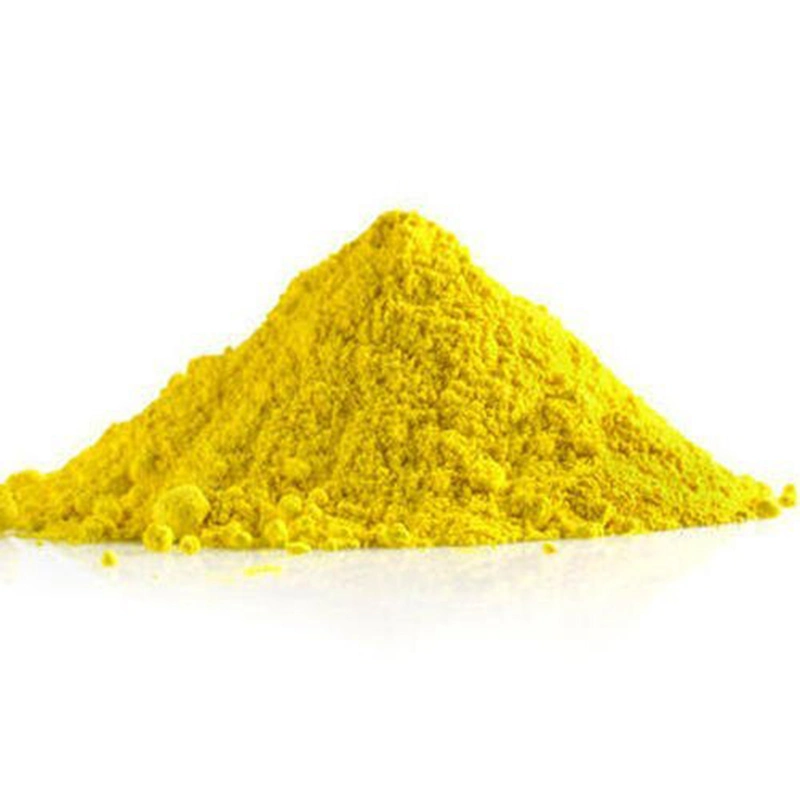
Products Description of Methotrexate CAS#59-05-2
Methotrexate is a widely used antineoplastic agent indicated for the treatment of various malignant diseases. Its therapeutic applications include acute lymphoblastic leukemia, lymphoma, malignant hydatidiform mole, choriocarcinoma, squamous cell carcinoma, lung cancer, cervical cancer, breast cancer, and osteosarcoma.
Following oral administration, approximately 90% of the parent compound is eliminated through the urine within 12 hours. 7-Hydroxymethotrexate is identified as its principal metabolite and represents an important component of its metabolic profile.
In toxicological studies, the reported intravenous LD50 of Methotrexate in rats is 14 mg/kg, providing a reference value for its acute toxicity assessment.
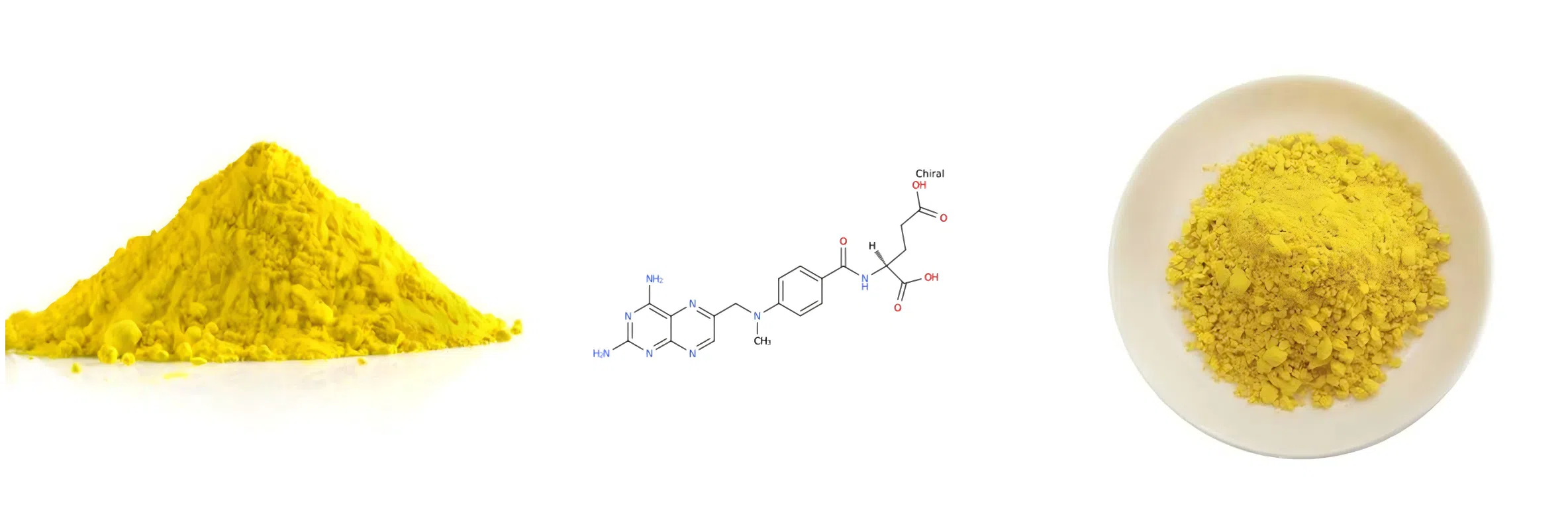
Product Parameters of Methotrexate CAS#59-05-2
Density | 1.536 |
Melting point | 195℃ |
Boiling point | 561.26°C (rough estimate) |
Refractive index | 1.6910 (estimate) |
Flash Point | 11℃ |
Precise Quality | 454.171 |
PSA | 210.54 |
logP | 1.8217 |
Solubility | H2O: insoluble |
Appearance | yellow crystalline powder |
Storage | Store at -20°C. Hygroscopic. Light Sensitive. |
Color/Form | Pale-yellow to Yellow-brown Solid |
Decomposition | When heated to decomposition it emits toxic fumes including /nitrogen oxides/. |
pKa | pKa 3.04/4.99(H2O,t =25,I=0.0025) (Uncertain) |
Water Solubility | Insoluble. |
Spectral Properties | Specific optical rotation: 20.4 + or - 0.6 deg at 21 deg C/589 D (concentration by 0.1 N sodium hydroxide) maximum absorption: 243nm, A1= 388;307 nm, A1 = 475 (in 0.1 n hydrogen chloride). 258 nm, A1= 544; 303 nm, A1= 546; 372 nm, A1= 177 (in 0.1 N sodium hydroxide)UV max (0.1N HCl) 244, 307 nm; UV max (0.1N NaOH) 257, 302, 370 nm |
Stability | Stable, but light sensitive and hygroscopic. Incompatible with strong acids, strong oxidizing agents. Store at -15C or below. |
StorageTemp | −20°C |

Product Application of Methotrexate CAS#59-05-2
Leukemia:Methotrexate has traditionally been administered on a daily basis. For adults, the usual oral dosage has been reported at 2.5–10 mg per day, with a cumulative dose of 50–150 mg, while pediatric dosing may range from 1.25–5 mg daily. More recent treatment approaches may employ intermittent high-dose regimens administered orally or intramuscularly twice weekly. Intrathecal administration may also be used, with dosing adjusted according to the patient's age and clinical condition. Maintenance or prophylactic treatment is generally administered in repeated courses at appropriate intervals.
Choriocarcinoma:For adult patients, Methotrexate may be administered orally or intramuscularly once daily for five consecutive days. Subsequent treatment cycles can be considered according to the patient's therapeutic response and clinical requirements.
Solid Tumors:For certain solid tumors, continuous intra-arterial infusion may be combined with intermittent administration of leucovorin (calcium folinate, CF) as rescue therapy. Treatment protocols and leucovorin supplementation should be individualized according to the specific tumor type, treatment regimen, and patient response.
Osteosarcoma:High-dose Methotrexate therapy may be used in combination with leucovorin rescue for the treatment of osteosarcoma. Methotrexate is administered by intravenous infusion, followed by leucovorin supplementation at a specified interval after completion of the infusion. Adequate hydration and urinary alkalinization are important to facilitate Methotrexate elimination and reduce the risk of toxicity.
During high-dose therapy, close monitoring is essential. Parameters such as liver and renal function, complete blood counts, electrolyte balance, and plasma Methotrexate concentrations should be regularly assessed. Fluid and electrolyte replacement, together with appropriate urinary alkalinization, may be required to support drug clearance.
Psoriasis:Because of its potential for significant adverse effects, Methotrexate is not commonly used for psoriasis and should only be considered under appropriate medical supervision. When prescribed, the treatment regimen should be determined according to the patient's clinical condition, response to therapy, and applicable prescribing guidelines.