Products Description of DL-Limonene CAS#138-86-3
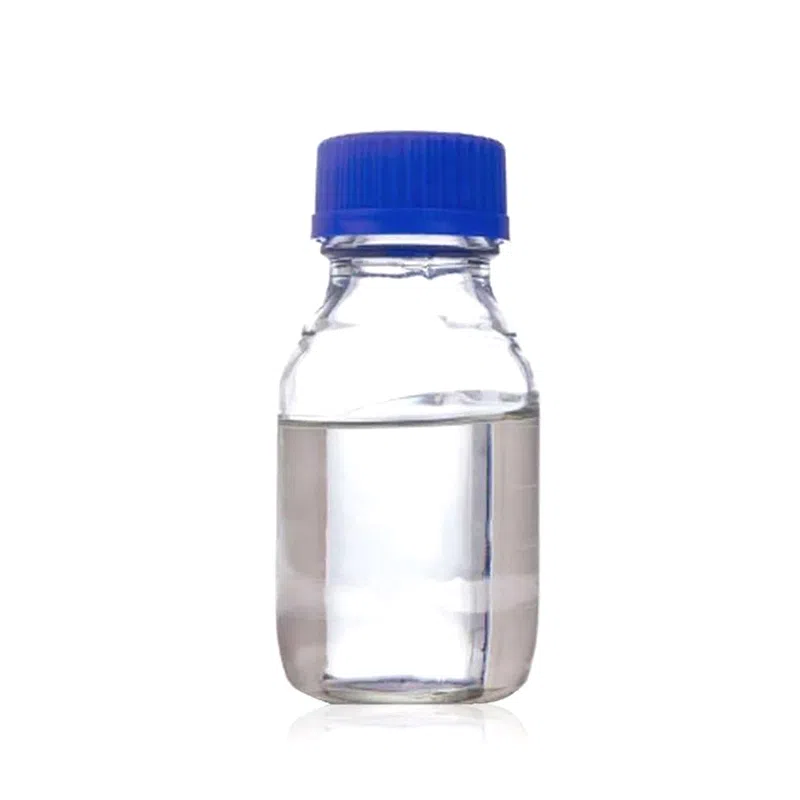
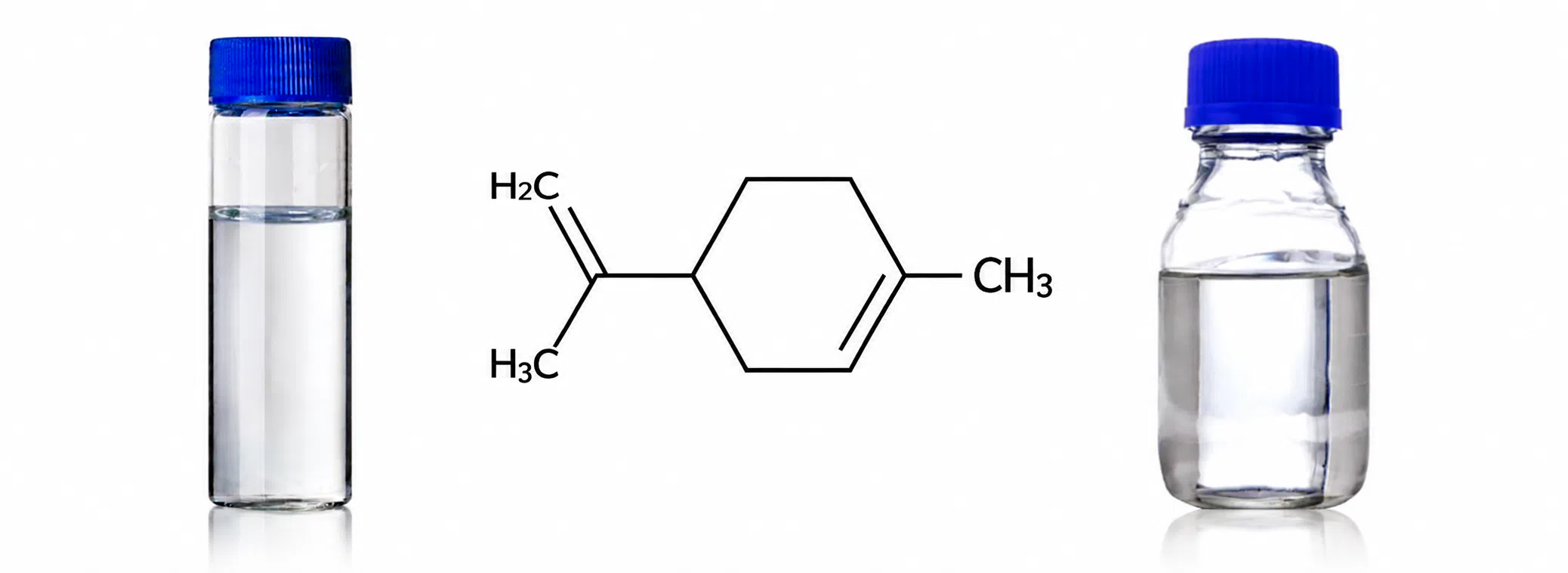
DL-Limonene, also referred to as dipentene, is a clear, colorless, flammable liquid under ambient conditions with a characteristic fresh citrus fragrance similar to lemon. It is insoluble in water while showing excellent compatibility and miscibility with ethanol, making it suitable for various industrial and formulation applications.
DL-Limonene Chemical Properties
| Melting point | -84--104 °C |
| Boiling point | 170-180 °C (lit.) |
| density | 0.86 g/mL at 20 °C (lit.) |
| vapor density | 4.7 (vs air) |
| vapor pressure | <3 mm Hg ( 14.4 °C) |
| refractive index | n20/D 1.473(lit.) |
| Fp | 119 °F |
| storage temp. | Store below +30°C. |
| solubility | Chloroform: Slightly Soluble |
| form | Liquid |
| color | Clear colorless to pale yellow |
| Odor | Pleasant, pine-like; lemon-like. |
| Odor Threshold | 0.038ppm |
| explosive limit | 0.7-6.1%, 150°F |
| Odor Type | citrus |
| Water Solubility | <1 g/100mL |
| Merck | 145493 |
| BRN | 3587825 |
| Dielectric constant | 2.3(20℃) |
| Stability: | Stable. Flammable. Incompatible with strong oxidizing agents. |
| InChIKey | AJSJXSBFZDIRIS-UHFFFAOYSA-N |
| LogP | 4.57 |
| CAS DataBase Reference | 138-86-3(CAS DataBase Reference) |
| NIST Chemistry Reference | Limonene(138-86-3) |
| EPA Substance Registry System | Limonene (138-86-3) |
| Hazard Codes | Xi,N |
| Risk Statements | 10-38-43-50/53 |
| Safety Statements | 24-37-60-61 |
| RIDADR | UN 2052 3/PG 3 |
| WGK Germany | 2 |
| RTECS | OS8350000 |
| F | 39744 |
| Autoignition Temperature | 458 °F |
| TSCA | Yes |
| HazardClass | 3 |
| PackingGroup | III |
| HS Code | 29021990 |
| Hazardous Substances Data | 138-86-3(Hazardous Substances Data) |
| Toxicity | LD50 orally in Rabbit: 5300 mg/kg |
Product Application of DL-Limonene CAS#138-86-3
DL-Limonene (Dipentene) is widely used as a versatile chemical raw material in the production of enamels, coatings, oil-based resins, resin waxes, metal drying agents, and various solvent systems. It also serves as an important intermediate for the synthesis of synthetic resins and synthetic rubber materials.
In the fragrance industry, dipentene is commonly incorporated into the formulation of orange blossom fragrances, citrus-based perfumes, and other aromatic products, and can be used as an alternative to natural lemon essential oil. Through selective oxidation, limonene can be converted into carvone. It can also react with water in the presence of inorganic acids to produce α-terpineol and terpene diols. Under catalytic conditions using platinum or other active catalysts, limonene can undergo hydrogenation to form para-menthane or dehydrogenation to generate p-cymene.
Furthermore, DL-limonene finds applications as an oil dispersing agent, rubber processing additive, wetting agent, and in other industrial fields requiring its unique solvent properties and chemical functionality.